India's Monumental Task: Enumerating 1.4 Billion Citizens in 2026 Census
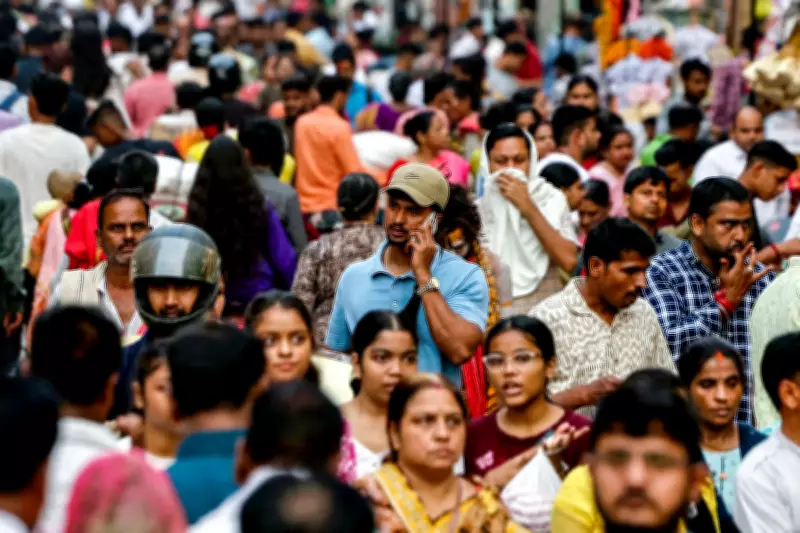
India is embarking on one of the most ambitious demographic projects in global history: conducting a comprehensive census to count its population of over 1.4 billion people. Scheduled for 2026, this massive undertaking requires meticulous planning, advanced technological integration, and unprecedented logistical coordination across the vast subcontinent.
Logistical Challenges and Technological Solutions
The sheer scale of India's population presents unique challenges. Census officials must reach remote villages, dense urban slums, and everything in between. To manage this, authorities are deploying a combination of traditional field methods and cutting-edge digital tools. Mobile data collection devices, satellite mapping, and secure online platforms will be utilized to ensure accuracy and efficiency while minimizing errors and duplication.
Field enumerators, trained extensively, will visit households across the country to gather critical information. This includes demographic details, economic status, educational attainment, and housing conditions. The data collected will provide a vital snapshot of India's social and economic landscape, informing policy decisions for years to come.

Importance of Accurate Demographic Data
Accurate census data is fundamental for effective governance and development planning. It helps allocate resources, design public services, and implement welfare schemes tailored to the needs of different regions and communities. For a nation as diverse and populous as India, these insights are indispensable for addressing inequalities and fostering inclusive growth.
The 2026 census is expected to reveal significant trends, such as urbanization rates, migration patterns, and changes in family structures. These findings will influence everything from infrastructure projects to healthcare initiatives, ensuring that government actions are data-driven and responsive to the evolving needs of the populace.
Coordination and Public Participation
Successful execution relies on seamless coordination between federal, state, and local authorities. Public awareness campaigns are being launched to encourage citizen participation and cooperation, emphasizing the census's role in shaping India's future. Transparency and data security measures are also prioritized to protect personal information and build public trust.
As India prepares for this colossal endeavor, the world watches closely. The methodologies and outcomes of the 2026 census could set benchmarks for other large nations undertaking similar demographic surveys, highlighting the critical intersection of technology, logistics, and governance in the modern era.