ICE Agents Accused of Using False Pretenses to Detain Columbia University Student
Columbia University has reported a concerning incident involving U.S. Immigration and Customs Enforcement (ICE) agents, who allegedly used false pretenses to gain entry into a university residence and detain a student. The event occurred on Thursday morning, according to university officials, sparking immediate discussions about the implications for campus safety and immigration enforcement practices.
Details of the Incident
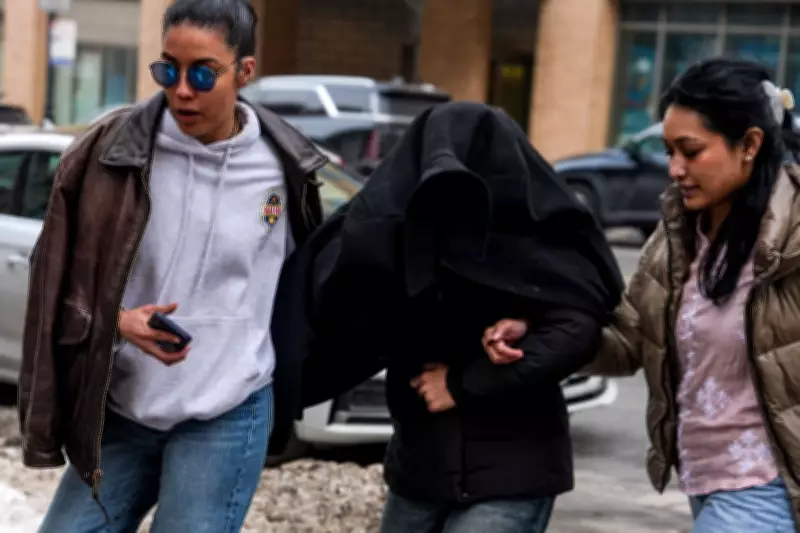
The detained individual is Ellie Aghayeva, a neuroscience student at Columbia University. Witnesses described the scene as Aghayeva was escorted to her apartment with her face covered, following the detention by Department of Homeland Security (DHS) agents. Photographs from the incident, captured by Ryan Murphy and distributed via Getty Images and CNN Newsource, show the student being led away under the supervision of federal officers.
University representatives have expressed deep concern over the methods employed by ICE agents. According to their statement, the agents reportedly misrepresented their intentions to access the residential building, a tactic that has raised legal and ethical questions about the boundaries of immigration enforcement on educational campuses.

Broader Context and Implications
This incident occurs against a backdrop of ongoing debates regarding immigration policies and the role of federal agencies in academic environments. Universities across the United States have frequently been sites of contention, with institutions advocating for protections for international students and undocumented individuals.
The use of alleged false pretenses by ICE agents introduces a new layer of complexity to these discussions. Legal experts suggest that such actions could potentially violate protocols designed to balance enforcement with respect for private and educational spaces. The case may prompt reviews of interagency agreements and campus security measures to prevent similar occurrences in the future.
University Response and Next Steps
Columbia University has pledged to conduct a thorough internal review of the incident. Administrators are coordinating with legal counsel to assess the circumstances and determine appropriate actions, which may include filing formal complaints or seeking clarifications from federal authorities.
Student groups and advocacy organizations have mobilized in response, calling for transparency and accountability from ICE. They emphasize the need to safeguard the rights and well-being of all students, regardless of immigration status, and to ensure that universities remain sanctuaries for learning and research.
As the situation develops, further details are expected to emerge regarding the specific allegations against ICE and the legal proceedings involving Aghayeva. The outcome could influence policies at other institutions and shape the ongoing dialogue about immigration enforcement in sensitive settings.