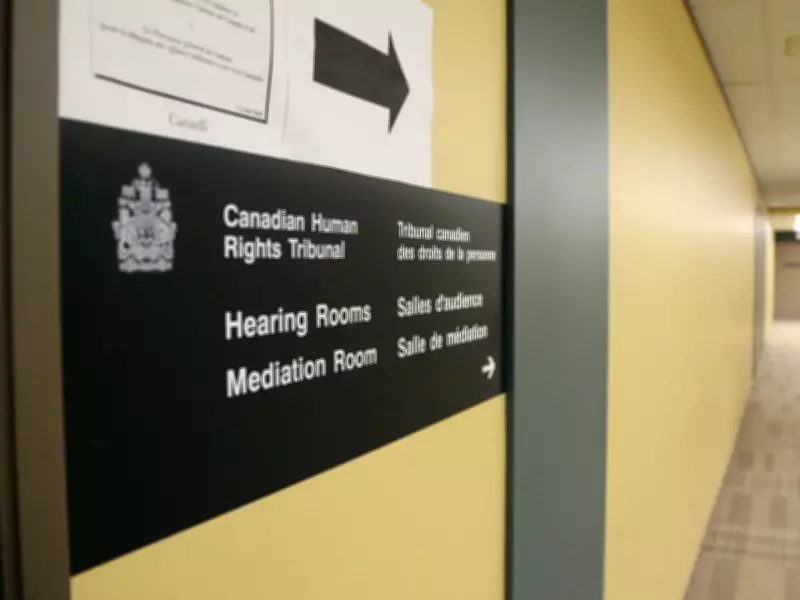
Recently, serial human rights complainant and transgender activist Jessica Simpson filed numerous complaints with the B.C. Human Rights Tribunal, which the Justice Centre for Constitutional Freedoms notes now total around 18. The Supreme Court of British Columbia described her as a “prolific litigant” in 2022.
Simpson’s complaints typically accuse respondents of using gender-critical language and referencing biological sex as a form of “existential denialism” against transgender individuals. High-profile defendants include journalists Derek Fildebrandt of the Western Standard and Barbara Kay of the National Post. Such events raise concerns about freedom of the press in Canada.
Systemic abuse of human rights tribunals
While Simpson is an extreme example of weaponizing these commissions to silence debate, other instances of abuse exist. Human rights bodies across Canada, due to expanded mandates and procedural unfairness toward respondents, have become venues for political campaigners to muzzle opponents.

Human rights commissions are creatures of statute, meaning provincial governments can amend laws to combat abuse and improve fairness. Originally established in the 1960s and 1970s, they were intended to operate outside the court system as a cheaper, more efficient way to address discrimination in housing, employment, and services. Their mandates were limited, and grounds for complaints—racism, sexism, religion—were circumscribed.
Procedural imbalances
To ensure faster results, standard evidentiary rules are waived and procedural fairness is abridged. For example, in Alberta, there is no fee to file a complaint. Once filed, commission staff assist the complainant, eventually acting as a “prosecutor” at hearings. In contrast, respondents must represent themselves or hire a lawyer without commission assistance. Legal fees can accumulate as cases take up to five years to resolve.
Moreover, if a complaint in Alberta goes to a hearing and fails, the complainant is not required to pay the respondent’s legal fees unless their behavior was egregious. This creates every incentive to file frivolous complaints with no disincentive.
Expanded grounds for complaints
Compounding these issues are changes to human rights regimes since their inception. The grounds for complaints have expanded dramatically. In 1998, courts added sexual orientation to the Alberta Human Rights Act in the Vriend case, and in 2015, the Notley government included gender identity.
These expansions, combined with procedural imbalances, make human rights tribunals ill-suited for their original purpose. They now enable bad-faith actors to suppress legitimate speech and impose undue burdens on respondents.