The United States has declared an end to offensive operations against Iran, shifting focus to protecting shipping in the Strait of Hormuz. However, the targeting of another cargo vessel following a day of strikes indicates that the conflict is far from over.
Operation Epic Fury Concluded
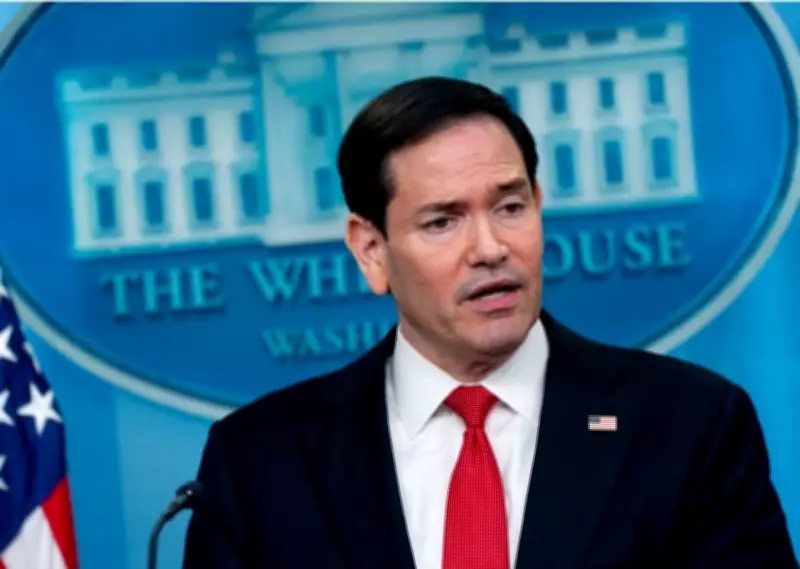
Secretary of State Marco Rubio announced at the White House Tuesday that "Operation Epic Fury is concluded," marking 66 days since the U.S. and Israel began bombing Iran. "We achieved the objectives of that operation," Rubio stated. Despite this declaration, the pathway to a deal that reopens the strategic waterway remains elusive. The U.S. has imposed a blockade on Iran, which retaliated by closing the strait that carries a fifth of the world's oil exports.
New Attacks and Stalled Talks
As Rubio spoke, a British monitoring organization reported that a cargo ship in the strait was struck by an unknown projectile. The U.S. noted that the shutdown around Hormuz has left over 1,550 commercial vessels, carrying some 22,000 sailors, trapped in the Persian Gulf. Iran's president dismissed American demands to resume talks as "impossible." President Masoud Pezeshkian stated, "The problem is that while the U.S. pursues a policy of maximum pressure against our country, it also expects the Islamic Republic of Iran to come to the negotiating table and ultimately submit to its unilateral demands — an equation that is impossible."

Oil prices declined on Tuesday, with Brent trading around 3.6% lower at under US$111 a barrel, following a nearly 6% jump on Monday. The volatile market reflects ongoing uncertainty.
Political Pressure and Legal Questions
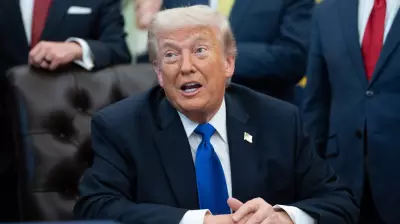
Rubio's characterization of Operation Epic Fury, echoed by other top officials, signals the pressure President Donald Trump faces to end an increasingly unpopular conflict. Rubio cast Iran as the aggressor and the U.S. as leading a global effort to bring a rogue nation to heel. Portraying the war as concluded also allows the administration to skirt questions about the legality of the conflict under the War Powers Act, which requires winding down a conflict in 60 days unless authorized by Congress. Trump passed that deadline about a week ago.
Rubio outlined the goal: "establish a zone of transit that is protected by a bubble — the United States, both naval and air assets — and then allow ships that want to move to move through there and get to market, to begin to increase confidence in the ability to do so." Violence erupted on Monday after Trump announced "Project Freedom," an effort to guide neutral ships stranded in the Persian Gulf through Hormuz without full-scale naval escorts. At least two merchant vessels transited with U.S. assistance in fending off attacks, while two American warships entered the Gulf.