Halifax Woman Recounts Terrifying Ordeal Amid Middle East Conflict
A woman from Halifax, Nova Scotia, has provided a chilling firsthand account of being caught in the midst of escalating conflict in the Middle East. She described hearing the sounds of strikes and missiles while stranded in the region, highlighting the growing dangers for civilians as tensions rise.
Trapped in a War Zone
The Halifax resident, whose identity has been withheld for safety reasons, found herself unable to leave the area as hostilities intensified. In an interview, she recounted the fear and uncertainty of experiencing military actions up close, with explosions and aerial activity becoming a daily reality. "It was surreal and terrifying," she said. "You never think you'll be in a situation where you're hearing missiles overhead, but here I was, stuck and helpless."
Context of Escalating Tensions
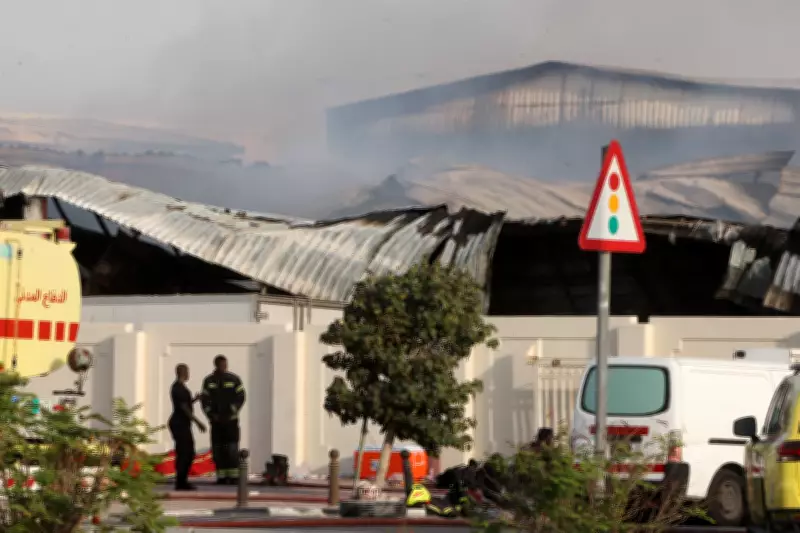
Her experience comes against a backdrop of heightened conflict in the Middle East, with recent incidents such as an Iranian strike in Al Rayyan, Qatar, on March 1, 2026, causing damage and smoke in industrial areas, as captured in AP photos. This strike is part of a broader pattern of military engagements that have put civilians at risk and disrupted travel, leaving many foreigners, including Canadians, struggling to find safe exits.

The psychological toll of such events cannot be overstated. Experts note that exposure to war zones can lead to long-term mental health issues, including anxiety and post-traumatic stress. The Halifax woman emphasized the emotional strain, saying, "Every sound made me jump. I was constantly on edge, worrying about what might happen next."
Broader Implications for Canadians Abroad
This incident underscores the challenges faced by Canadians traveling or living in volatile regions. With global conflicts on the rise, there are increasing calls for better consular support and evacuation plans from the Canadian government. Other recent events, such as Norad detecting Russian military planes near Alaska, add to the sense of global instability that can impact citizens abroad.
In related news, the conflict has sparked political debates in Canada, with Conservatives accusing Prime Minister Mark Carney of flip-flopping on Iran's military campaign, and rising fuel prices affecting airlines as the Iran conflict widens. These factors complicate efforts to assist stranded individuals.
Moving Forward
As the Halifax woman awaits a safe return home, her story serves as a stark reminder of the human cost of geopolitical strife. It highlights the need for heightened awareness and preparedness for those venturing into conflict-prone areas. Her courage in sharing her experience sheds light on the often-overlooked personal narratives behind headlines of war and diplomacy.
In conclusion, while international efforts continue to address the root causes of the Middle East conflict, individual stories like this one bring a poignant, human perspective to the ongoing crisis, urging greater attention to civilian safety in times of war.