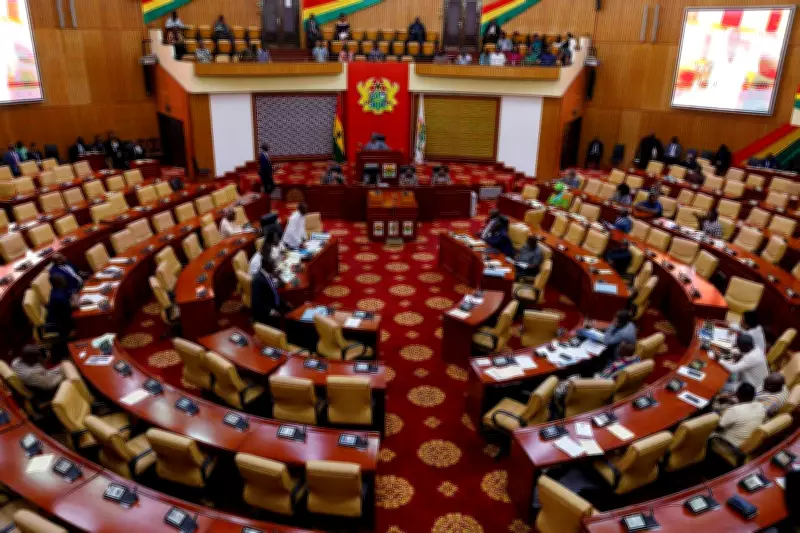
Ghana's parliament has passed a controversial bill that criminalizes the promotion of LGBTQ activities, drawing sharp reactions from human rights groups and international observers. The legislation, which was approved on May 29, 2026, imposes strict penalties on individuals and organizations found to be advocating for LGBTQ rights or engaging in related activities.
Details of the Legislation
The bill, officially titled the Promotion of Proper Human Sexual Rights and Ghanaian Family Values Bill, was introduced by a coalition of religious and traditional leaders. It targets any form of LGBTQ advocacy, including public displays, educational materials, and funding for related causes. Offenders could face imprisonment of up to 10 years, while organizations risk fines and dissolution.
Parliamentary Debate
Speaker of Parliament Alban Sumana Bagbin presided over the heated debate, which saw lawmakers divided along religious and cultural lines. Supporters argued that the bill protects Ghanaian values and shields children from harmful influences. Critics, however, warned that it would fuel discrimination and violence against the LGBTQ community, already vulnerable in the conservative society.

During the session, Bagbin emphasized the need to uphold traditional norms, stating that Ghana must resist external pressures to adopt Western ideologies. Opposition lawmakers countered that the bill violates constitutional guarantees of freedom of expression and assembly, and could harm Ghana's international reputation and economic ties.
International Reactions
The United Nations and several Western governments have condemned the bill, urging President Nana Akufo-Addo to veto it. Human Rights Watch called it a dangerous setback for human rights in Africa, while Amnesty International warned of potential abuses. The United States and European Union have signaled possible sanctions or aid cuts if the bill becomes law.
In contrast, some African nations and conservative groups have praised Ghana's move, viewing it as a stand against what they perceive as neo-colonial imposition of LGBTQ norms. The bill has also sparked protests and counter-protests in Accra, with religious organizations rallying in support and activists demanding its withdrawal.
Next Steps
The bill now awaits President Akufo-Addo's signature to become law. The president has not publicly stated his position, but his government has previously signaled support for traditional values. Legal experts anticipate a constitutional challenge if the bill is enacted, citing potential conflicts with Ghana's human rights provisions. The outcome could set a precedent for other African nations grappling with similar legislation.