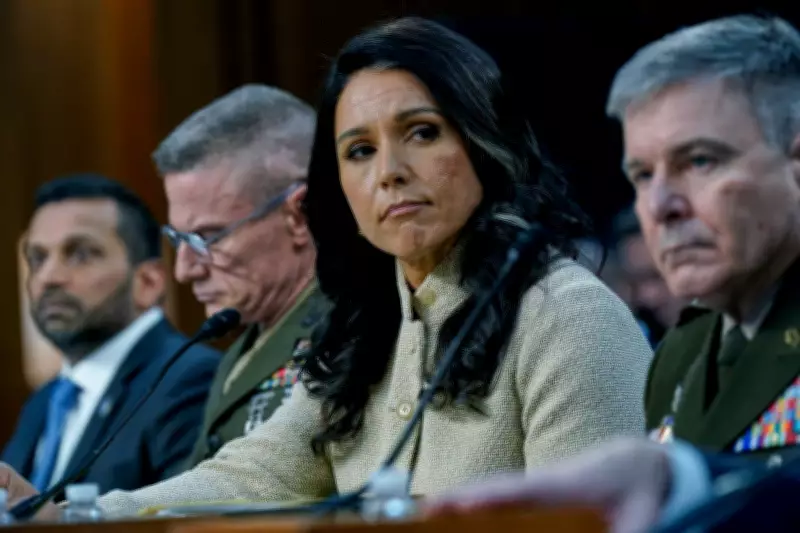
Former U.S. Representative Tulsi Gabbard faced pointed questioning during a recent Capitol Hill hearing, where she skillfully evaded inquiries regarding intelligence she allegedly provided to then-President Donald Trump in the lead-up to the Iran war. The session, which drew significant media attention, highlighted ongoing political tensions and raised questions about the nature of her involvement in foreign policy matters during the Trump administration.
Gabbard's Deflection Tactics Under Scrutiny
During the hearing, lawmakers pressed Gabbard on reports that she had shared critical intelligence with Trump before the escalation of hostilities with Iran. Gabbard, known for her independent stance and past military service, repeatedly sidestepped direct answers, citing confidentiality and procedural concerns. Her responses have fueled speculation about the extent of her influence and the potential implications for U.S. foreign policy decisions at the time.
Political Repercussions and Public Reaction
The incident has sparked a wave of political debate, with critics accusing Gabbard of lacking transparency, while supporters argue she is protecting sensitive information. Public reaction has been mixed, reflecting the polarized nature of contemporary U.S. politics. Analysts suggest this episode could impact Gabbard's future political ambitions and her role in ongoing discussions about national security and intelligence sharing.

Background on the Iran War Context
The Iran war, a significant conflict during Trump's presidency, involved complex geopolitical dynamics and intelligence operations. Gabbard's alleged involvement adds a layer of intrigue to the historical narrative, as her actions are now being re-examined in light of recent disclosures. This hearing underscores the lasting impact of that period on current political discourse and the importance of accountability in government affairs.