Federal Government Advises First Nations Travelers to Carry Passports at U.S. Border
The Canadian federal government has issued a clear and formal advisory, strongly recommending that individuals from First Nations communities carry valid passports when crossing into the United States. This guidance aims to ensure smooth and uninterrupted travel, preventing potential complications or delays that could arise at border checkpoints.
While Indigenous peoples in Canada have historically been able to cross the U.S. border using alternative documentation under the Jay Treaty of 1794, the current political and security landscape has prompted authorities to emphasize the importance of standardized travel documents. The advisory underscores that carrying a passport is the most reliable way to facilitate entry and avoid misunderstandings with U.S. Customs and Border Protection officers.
Navigating Modern Border Protocols
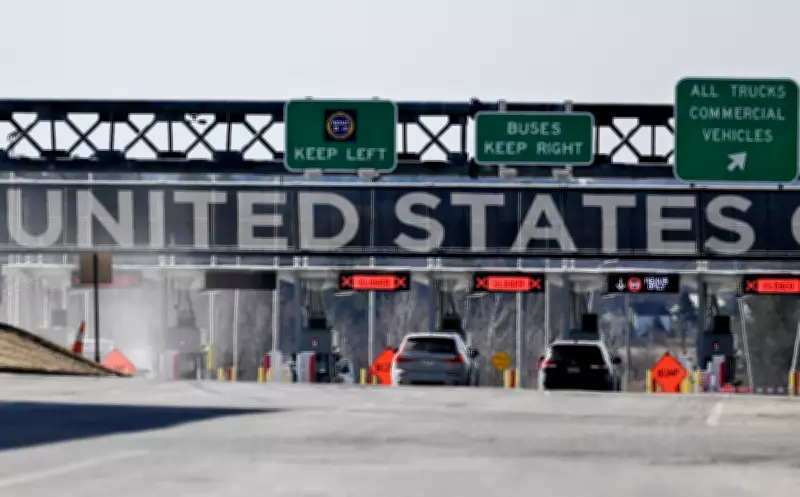
The recommendation reflects ongoing efforts to align with enhanced international security measures and evolving border management practices. Federal officials note that while treaty rights remain recognized, the practical reality of modern border crossings often necessitates presenting a passport for efficient processing. This is particularly relevant given the increased scrutiny and technological systems employed at ports of entry.

Travelers are encouraged to verify their documentation well in advance of any planned trips. The government's stance is proactive, aiming to mitigate risks of denied entry or extended questioning, which could disrupt personal, cultural, or economic activities that frequently involve cross-border travel for First Nations communities.
Broader Implications for Indigenous Communities
This advisory touches on broader themes of sovereignty, mobility, and the intersection of traditional rights with contemporary state policies. It highlights the delicate balance between honoring historical agreements and adapting to present-day regulatory frameworks. The federal government asserts that this guidance is issued in the interest of traveler safety and convenience, ensuring that First Nations individuals can move across borders with confidence and minimal hindrance.
As cross-border interactions continue to be vital for many Indigenous peoples, staying informed about such travel recommendations is crucial. The government plans to disseminate this information through community channels and official platforms to reach affected populations effectively.