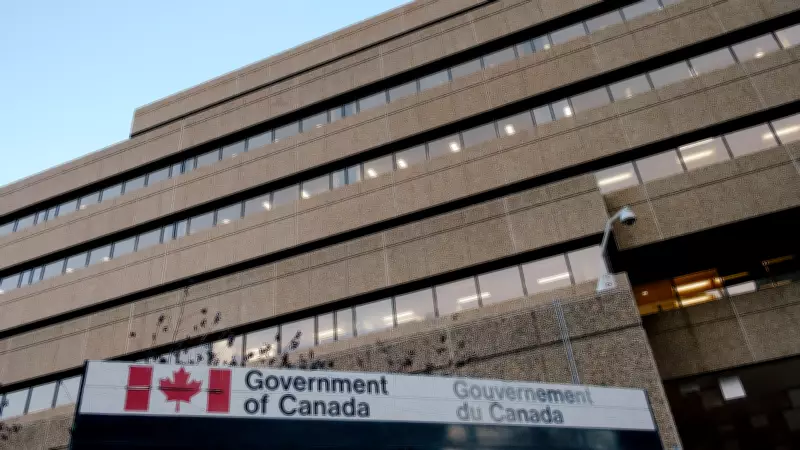
Federal Department Plans Outline Public Service Job Cuts and Spending Reductions
The federal government has unveiled comprehensive departmental plans that outline substantial job cuts and spending reductions across the public service. These measures are part of a broader fiscal strategy aimed at streamlining operations and reducing expenditures.
Details of the Departmental Plans
The plans, which were released recently, specify targeted reductions in both personnel and operational budgets. According to the documents, several federal departments will be affected, with job cuts expected to impact various levels of the public service. The spending reductions are designed to address budgetary constraints and align with government priorities for fiscal responsibility.
These cuts come at a time when the government is facing economic pressures and increasing demands for efficient use of public funds. The departmental plans highlight a strategic approach to managing resources, with a focus on maintaining essential services while implementing cost-saving measures.

Implications for Public Service Employees
Public service employees are likely to feel the impact of these job cuts, which could lead to workforce reductions through attrition, early retirement incentives, or layoffs. The plans emphasize the need for a leaner public service, but also acknowledge the importance of supporting affected employees during the transition.
Union representatives and employee associations have expressed concerns about the potential effects on job security and service delivery. They argue that such cuts could undermine the government's ability to meet public needs, especially in critical areas like healthcare, education, and environmental protection.
Broader Fiscal Context
The job cuts and spending reductions are situated within a larger fiscal framework that includes efforts to balance the budget and reduce national debt. The government has cited the need for prudent financial management in response to economic uncertainties, such as global conflicts and inflationary pressures.
Key aspects of the departmental plans include:
- Targeted reductions in administrative and operational costs.
- Streamlining of programs and services to eliminate redundancies.
- Increased use of technology to improve efficiency and reduce labor costs.
- Collaboration with provinces and territories to share resources and expertise.
These measures are expected to generate significant savings over the coming years, contributing to the government's overall fiscal goals. However, critics warn that deep cuts could have unintended consequences, such as reduced access to public services and increased workloads for remaining employees.
Looking Ahead
As the departmental plans are implemented, the government will monitor their impact on public service delivery and employee well-being. Ongoing consultations with stakeholders, including unions and community groups, are planned to address concerns and adjust strategies as needed.
The success of these measures will depend on careful execution and a balanced approach that prioritizes both fiscal responsibility and the maintenance of high-quality public services. The federal government remains committed to transparency and accountability throughout this process.