Despite missed deadlines on the Alberta-Ottawa memorandum of understanding and scant evidence of a government moving at a “speed and scale not seen in generations,” there is still reason for optimism regarding a more sensible federal approach toward the energy sector.
Signs of Progress
The MOU itself is evidence of that shift. Last month’s announcement of federal approval for Enbridge’s $4-billion natural gas pipeline expansion project in British Columbia further underscores the point. Similarly, recent comments from the federal natural resources minister confidently predicted that up to 10 new major natural resource projects would be underway by this time next year.
However, while we should welcome Ottawa’s embrace of the need for these kinds of projects, it appears we must remain vigilant when it comes to protecting provincial jurisdiction. Federal approvals should not serve as an excuse to attempt to squeeze additional revenue from these projects.

The Canada Strong Fund
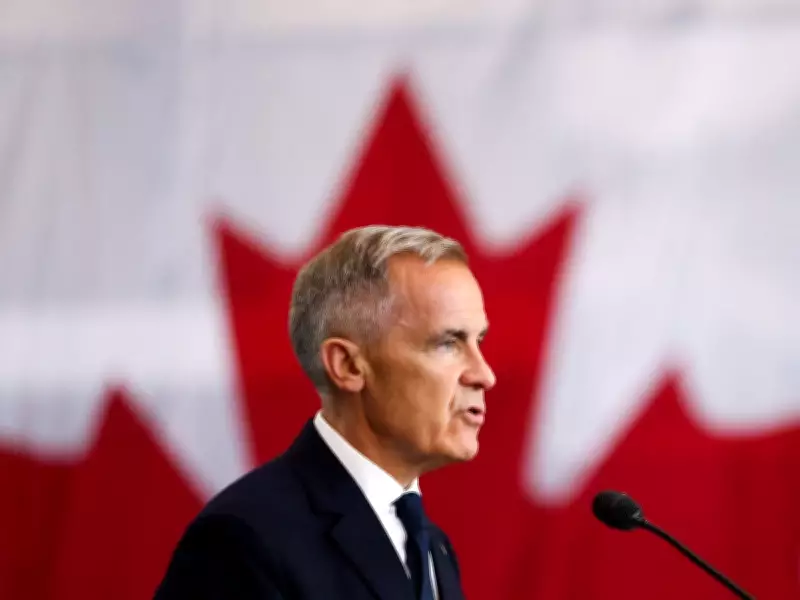
Just before last week’s spring economic update, Prime Minister Mark Carney announced the creation of the Canada Strong Fund, billed as Canada’s first sovereign wealth fund. Carney stated that the fund will “invest in the major projects that are transforming our economy.”
“Wealth fund” is a curious term, given that its initial $25-billion injection consists of borrowed money. It is also unclear what role this fund will play, especially alongside other similar initiatives such as the Canada Infrastructure Bank, the Canada Growth Fund, and the Canada Indigenous Loan Guarantee Program.
Ultimately, private investment should underwrite these projects, with federal involvement as a last resort. If a government fund is necessary, that raises a red flag that other factors might be discouraging private investment.
Revenue Sharing Concerns
If federal taxpayers are to become investors in a major energy project, it is not unreasonable that, as investors, they share in the profits. Still, we should be wary of any sort of federal encroachment on resource revenues, which are the domain of the provinces.
When the prime minister was asked about consulting with the provinces and making it clear this would not be a resource grab, his answer only raised further questions. Carney spoke of situations where the federal government moves a project along through “a tax or other incentive, regulatory support,” then said, “it is fair, right, just, smart, for Canadians to have a share directly in those profits.”
A direct investment in a project is very different from regulatory or tax changes that help facilitate a project. The former would demand a direct profit share; the latter not so much. It is not as though the federal government does not benefit from the economic boost such projects provide, or the additional tax revenues derived from higher corporate profits and individual paycheques. If reducing or eliminating red tape helps realize such projects, there is an obvious incentive to do so.