Ottawa's Firearms Buyback Program Faces Major Implementation Hurdles
Six years after the tragic Nova Scotia mass shooting that claimed numerous lives, the federal government implemented a ban on over 2,500 firearm models. This prohibition targeted weapons with militaristic appearances, despite other models with identical firepower remaining legal due to their less intimidating designs.
Compensation Scheme Launched After Extended Delay
Following years of deliberation, the Liberal government finally initiated its compensation program in January 2026. The initiative allocated $742 million to purchase approximately 175,000 firearms from lawful owners. However, early projections suggested the program would face significant challenges.
Registration numbers have fallen dramatically short of expectations. While government officials anticipated 136,000 firearms would be registered for surrender, fewer than 68,000 weapons were actually registered during the January to March enrollment period. This represents just 50% of the government's target.

Independent analysts suggest the actual number of banned firearms exceeds 300,000, which would mean only about 20% of prohibited weapons were registered for compensation. A pilot project conducted on Cape Breton Island last year yielded just 20 surrendered firearms, foreshadowing the program's underwhelming response.
Logistical Challenges and Provincial Resistance
The approximately 38,000 gun owners who registered their firearms now face complex surrender procedures. Most will need to schedule collection appointments with the RCMP, while others might be directed to local police stations or mobile collection units—though the latter option appears logistically challenging and potentially cost-prohibitive.
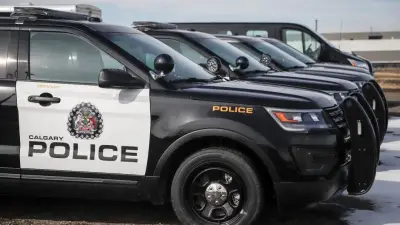
Significant obstacles have emerged as multiple law enforcement agencies refuse to participate in the confiscation process. The Toronto Police Service, Edmonton Police Service, and Ontario Provincial Police have all declined involvement in the federal program.
In Western Canada, provincial governments are taking more assertive stances. Both Alberta and Saskatchewan—where RCMP provides policing services to over 80% of residents—have announced they will deduct costs from their federal payments if RCMP officers are diverted from local duties to assist with the buyback program.
Program Effectiveness Questioned from Inception
Critics have argued since the ban's implementation that it primarily affects law-abiding citizens while leaving functionally identical firearms in circulation. The current logistical challenges and low participation rates appear to validate these concerns about the program's practical effectiveness.
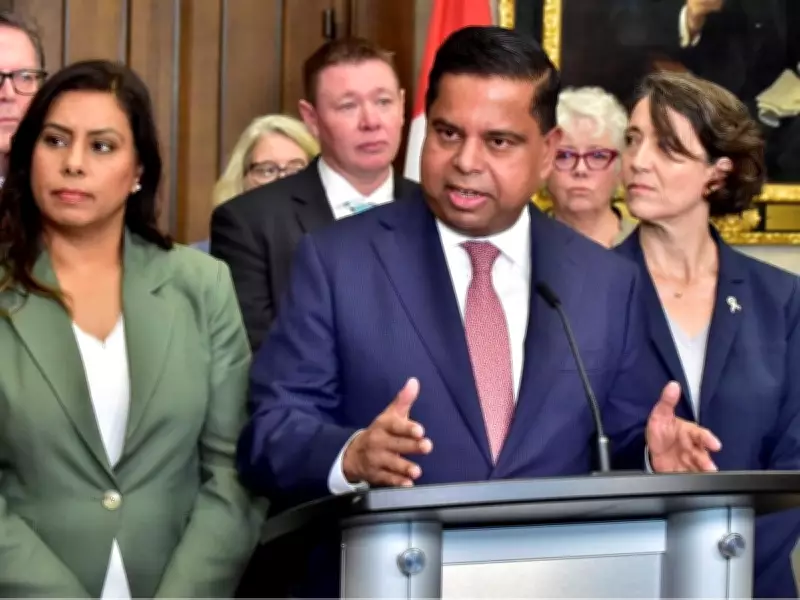
Public Safety Minister Gary Anandasangaree, who announced the program in September 2025, now oversees an initiative facing multiple implementation barriers. As the government attempts to navigate provincial resistance and logistical complexities, the future of Canada's firearms buyback program remains uncertain.