Despite the drawdown of Immigration and Customs Enforcement presence in the Twin Cities, the trauma, fear, and distrust sown by federal agents persist, according to immigration advocates and organizers. “There’s still fear,” said Hodan Hassan, a board member for the Somali American Coalition Action Fund and former Minnesota state representative. “People are still afraid… and, like we said, we haven’t had a chance to process as a community to sit down and talk about what happened to us.”
Ongoing Fear and Economic Fallout
Members of immigrant communities remain wary of resuming basic activities such as leaving their homes, going to local businesses, or visiting friends and family. Many are scrambling to recover financially after staying home during the height of the ICE raids, losing work and pay. Others continue to carry their passports due to lingering worries about being stopped and profiled. “The long-term damage, I think, has been done where there’s a lot more mistrust in the government,” said Kang Vang, a citizenship teacher at the Hmong Cultural Center. “People are still very cautious, you know. I still carry my passport around.”
Community Mutual Aid Continues
Community efforts that began during the ICE surge, including mutual aid and grocery deliveries, have continued. Neighborhood patrols of religious spaces and schools are also ongoing. “We just knew people were going to be afraid of going to the grocery store, and we offered help,” said Sergio Amezcua, a pastor at DHH Church, during a panel coordinated by the Asian American Unity Coalition. “We thought it was going to be 10 to 20 families for a couple weeks, and at the end of the day it was 50,000 families, and... we still do it, actually.”

Operation Metro Surge and Its Aftermath
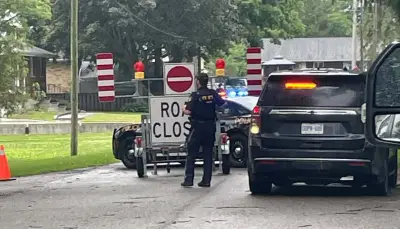
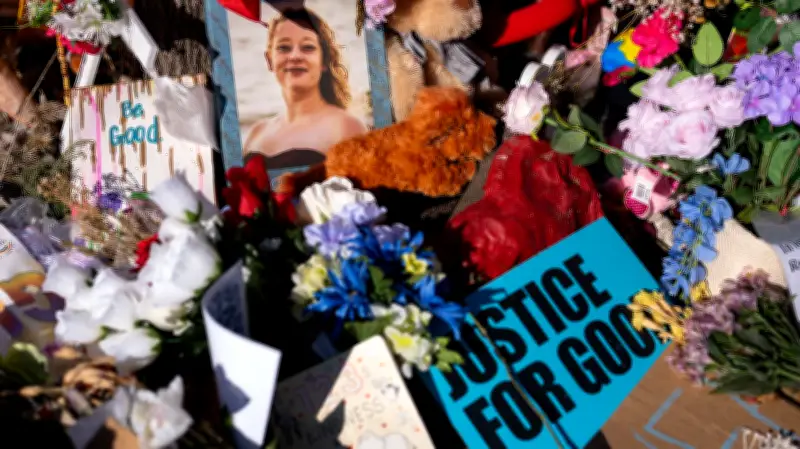
This past winter, more than 3,000 federal agents descended upon Minnesota as part of a campaign dubbed Operation Metro Surge. During their deployment, agents shot and killed Renee Good and Alex Pretti while they were observing and filming ICE actions. Agents also brutally detained immigrants and people of color, dragging Aliya Rahman out of her car, tackling Mubashir Hussen on his lunch break, and forcing ChongLy “Scott” Thao from his home in his underwear in freezing cold. Families were separated as parents and children, including Adrian Conejo Arias and Liam Conejo Ramos, were apprehended while heading to work or returning from school. Indiscriminate racial profiling was prevalent, residents and local officials said.
Trauma and Familiar Scenes for Refugees
“There was nowhere that felt safe, or that ICE was not there. We saw them driving around, we saw them everywhere all the time,” said Hanne Sandison, immigration and legal services director for The Advocates for Human Rights. ICE’s presence prompted small businesses to suspend operations or shutter, and forced people into hiding. Roads were strewn with abandoned cars marking where people had been detained, said Malika Dahir, executive director of Reviving the Islamic Sisterhood for Empowerment. “We would just lock our doors and shut our shades and hope that neighbors don’t rat on us,” said Vang. For those who fled authoritarian regimes, the scenes were eerily familiar. “Some of our elders... when we had conversations, talked about living through dictatorship, you know, government, and people coming to their houses in the middle of the night, masked men taking people away, and they were reliving that trauma,” said Hassan.
Efforts to Process Violence
Efforts to process the violence are still in their infancy. SEWA-AIFW, a nonprofit serving the South Asian community, has been hosting Story Circles for people to share their experiences, while The Advocates for Human Rights is working on a Truth Council to document events. “All of that trauma cannot be resolved just with the absence of a large-scale immigration enforcement effort,” said Anjuli Cameron, CEO of SEWA-AIFW. “It’s not as if officers left, and then there was an immediate everything’s fine.”

ICE Still Present and Enforcing
Immigration enforcement is still happening in the region, further undercutting people’s sense of safety. “There was an advertised end to Metro Surge and Operation PARRIS, but ICE hasn’t left, and we still see them around,” said Sandison. The Trump administration continues to ramp up arrests and deportations but in a quieter, less visible way after prior surges drew public backlash. According to The Minnesota Star Tribune, fewer than 500 ICE agents remained in Minnesota as of late February. A DHS spokesperson did not elaborate on the current ICE presence but claimed arrests during Metro Surge were a “HUGE victory for public safety” and allegations of racial profiling were “categorically FALSE.” The spokesperson also said Homeland Security Investigators are in Minneapolis to look into fraud claims. “ICE agents uphold our nation’s immigration laws in all 50 states, seven days a week, 24 hours a day,” a spokesperson said. Sandison’s organization continues to hear reports of detentions and ICE presence in other parts of Minnesota. “There is an active ICE operation. It’s just that they’re not super physical because of what happened in Minnesota, because of the blood that has been spilled, because of the negative media attention. They’re not super visible, but ICE is still here,” said Hassan.
Broader Immigration Crackdown
The administration has also taken steps to undercut immigrants’ protections, including halting citizenship application processing for certain groups and revoking Temporary Protected Status for multiple countries. Asylum application denials have skyrocketed in Minnesota during Trump’s second term. Many residents remain on guard amid concerns about novel tactics and the potential for sweeping enforcement to recur. “I think, you know, people came back very cautiously, knowing that this could pop up again anytime,” said Vang.