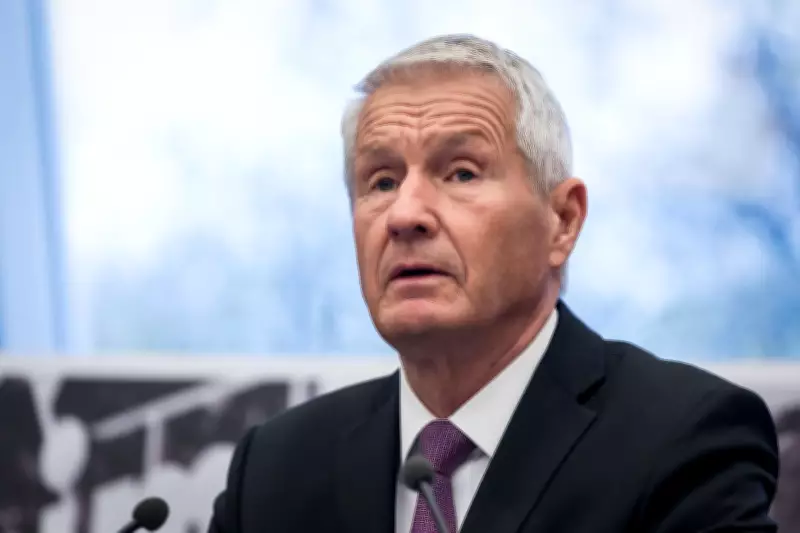
Former Norwegian Prime Minister Thorbjørn Jagland Charged with Corruption Following Epstein Investigation
In a significant development, former Norwegian Prime Minister Thorbjørn Jagland has been formally charged with corruption after a comprehensive investigation into his alleged connections with the late financier Jeffrey Epstein. Legal representatives confirmed the charges on February 13, 2026, marking a dramatic turn in a case that has drawn international attention.
Details of the Corruption Allegations
The charges stem from a probe examining whether Jagland, who also served as Secretary-General of the Council of Europe from 2009 to 2019, engaged in corrupt activities linked to Epstein. Investigators have been scrutinizing financial transactions, communications, and meetings between Jagland and Epstein associates over several years.
Norwegian authorities have not disclosed specific details of the corruption allegations, but sources indicate they involve potential misuse of position and improper financial dealings. The investigation reportedly uncovered evidence suggesting Jagland may have received benefits in exchange for political favors or influence during his tenure in European leadership roles.

Jagland's Political Career and International Standing
Thorbjørn Jagland served as Prime Minister of Norway from 1996 to 1997 and held numerous high-profile positions including President of the Storting (Norway's parliament) and Chairman of the Norwegian Nobel Committee. His international reputation was built on decades of public service, making these corruption charges particularly shocking to political observers.
"This case represents a serious challenge to Norway's reputation for clean governance," noted a European political analyst. "Jagland was once considered a statesman of impeccable integrity, and these allegations, if proven, would represent a profound betrayal of public trust."
Context of Epstein Connections Investigation
The charges against Jagland emerge from a broader international effort to investigate Epstein's network of influential contacts. Epstein, who died in jail in 2019 while facing sex trafficking charges, maintained connections with numerous powerful figures across politics, business, and academia worldwide.
Norwegian Prime Minister Jonas Gahr Støre previously announced that prominent Norwegians' Epstein links would be investigated, signaling the government's commitment to transparency regarding any potential misconduct by public figures. The Jagland case appears to be the first major development from that investigative promise.
Legal Proceedings and Potential Consequences
Jagland's legal team has indicated they will vigorously contest the charges, though they have not yet detailed their specific defense strategy. Norwegian corruption laws carry potentially severe penalties including substantial fines and imprisonment for convicted offenders.
The case is expected to proceed through Norway's judicial system in the coming months, with preliminary hearings likely to begin within weeks. International observers will be watching closely as the proceedings unfold, particularly given Jagland's former role in European institutions headquartered in Strasbourg, France.
Impact on Norwegian Politics and International Relations
This corruption case arrives at a sensitive time for Norwegian politics, potentially affecting public confidence in government institutions. It also raises questions about how thoroughly international organizations vet their leadership and monitor potential conflicts of interest among high-ranking officials.
The investigation's findings may have implications beyond Norway's borders, particularly for the Council of Europe where Jagland served as Secretary-General. The organization, which promotes human rights, democracy, and rule of law across 46 member states, now faces scrutiny regarding its internal oversight mechanisms during Jagland's administration.