Epstein Documents Unleash Political Earthquake in British Parliament
The venerable institutions of British governance are facing unprecedented scrutiny following the release of documents connected to the Jeffrey Epstein case. While the House of Commons continues its regular proceedings, it is the ancient House of Lords that finds itself at the epicenter of this growing controversy.
Historical Foundations Under Pressure
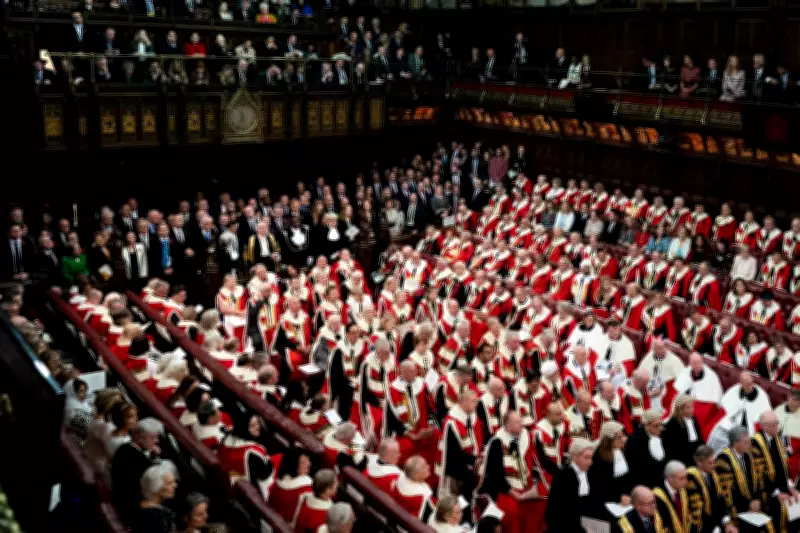
The House of Lords, with origins dating back to the 14th century, represents one of the oldest continuous parliamentary bodies in the world. Its members, known as peers, include hereditary nobles, life peers appointed for their expertise, and senior bishops of the Church of England. This scandal threatens to undermine public confidence in an institution already facing questions about its relevance in modern democracy.
The Epstein connection has created particular discomfort within the Lords' chambers, where several members are reportedly mentioned in the newly released documents. While specific names remain protected by parliamentary privilege and ongoing investigations, the mere association has triggered calls for transparency and accountability from across the political spectrum.

Parliamentary Response and Public Reaction
Westminster insiders report that the scandal has created unusual alliances between reform-minded peers and traditionalists who worry about the institution's reputation. "This isn't just about individual misconduct," explained one senior parliamentary observer who requested anonymity. "It's about whether an unelected chamber can maintain public trust when its members are connected to such serious allegations."
The controversy arrives at a delicate moment for British politics, with:
- Ongoing debates about House of Lords reform
- Increasing public skepticism toward political institutions
- Growing calls for greater transparency in parliamentary conduct
- International attention on how democracies handle elite misconduct
Broader Implications for British Democracy
Beyond the immediate scandal, political analysts suggest this development could accelerate long-standing discussions about the future of Britain's upper house. Some constitutional experts argue that the Epstein files controversy might provide the impetus for structural reforms that have been debated for decades but never implemented.
The situation remains fluid, with parliamentary authorities conducting internal reviews while external investigations continue. What remains clear is that an institution that has survived civil wars, monarchical conflicts, and centuries of political change now faces one of its most significant credibility challenges in modern history.
As Britain navigates this political storm, the world watches to see how one of democracy's oldest institutions responds to allegations that strike at the heart of public trust in government.