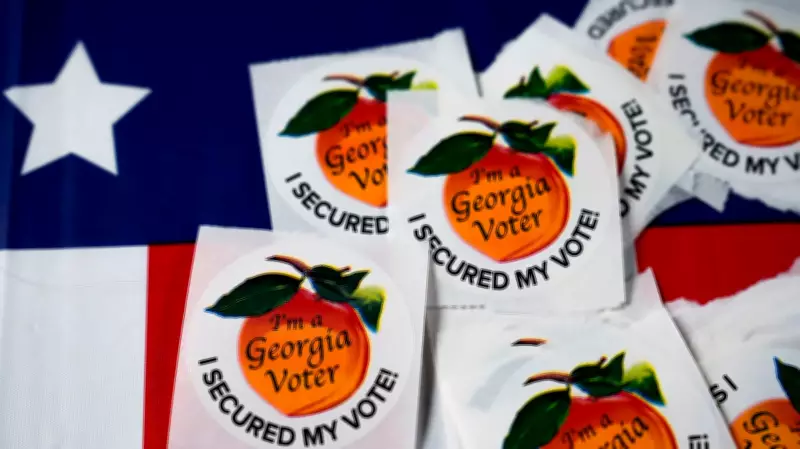
The Department of Justice is demanding the names of every individual who worked in the 2020 election in Georgia's Fulton County, a Democratic stronghold that former President Donald Trump has long accused of widespread voter fraud, which he claims cost him victory against Joe Biden in the state.
County Files Motion to Quash Subpoena
Lawyers for Fulton County filed a motion on Monday night to quash a grand jury subpoena that requests the names and contact information of county employees and volunteer poll workers. This legal action follows the FBI's January visit to a Fulton County elections warehouse, where agents seized ballots and other documents from the 2020 election. Georgia's certified results showed Trump lost the state to Biden by 11,779 votes out of nearly 5 million cast. Despite numerous court rulings and his own attorney general's conclusions, Trump continues to insist the 2020 election was stolen.
Allegations of Political Targeting
Monday's court filing argues that the subpoena is intended to “target, harass and punish the President’s perceived political opponents.” The county's lawyers contend the request is “grossly overbroad and untethered to any reasonable need.” The January seizure of ballots and records from Fulton County was the first in a series of moves by the Trump administration to obtain past election records from critical swing states.

In March, the FBI used a subpoena to obtain records related to an audit of the 2020 presidential election in Maricopa County, Arizona. In April, the Justice Department demanded that Michigan's Wayne County turn over its ballots from the 2024 election, which Trump won against Biden's vice president, Kamala Harris.
Broader Legal Battles Over Voter Data
The Justice Department is also engaged in court battles with numerous states over access to voter data that includes sensitive personal information. Election officials, including some Republicans, have stated that handing over such information would violate state and federal privacy laws. The ongoing disputes highlight the contentious nature of election security and transparency in the post-2020 landscape.