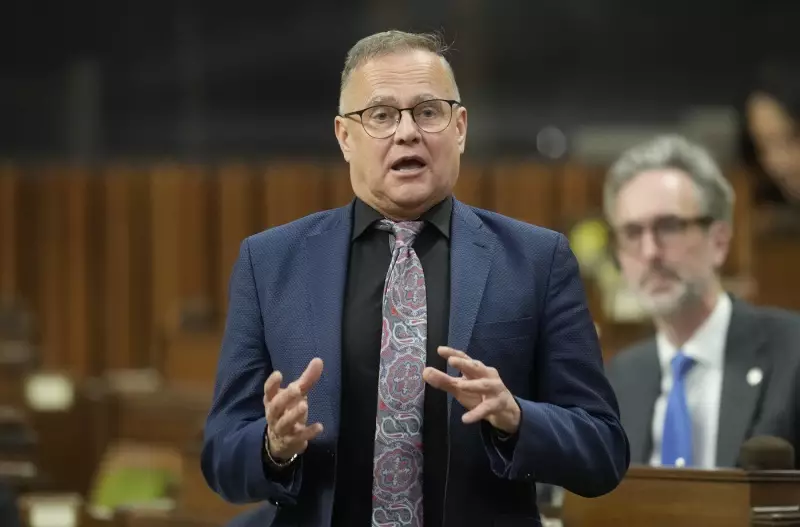
The Secretary of State for the Canada Revenue Agency (CRA) has publicly contested findings from the auditor general that raised concerns about the accuracy of the agency's work. The pushback sets the stage for a significant political and administrative debate regarding the integrity of Canada's tax system.
Details of the Dispute
The disagreement centers on a report from the auditor general, which contained critical observations about the precision and reliability of certain CRA processes and data. While the specific details of the findings were not fully disclosed in the initial coverage, the core issue involves the accuracy of information handled by the federal revenue service.
In response, the Secretary of State for the CRA has firmly pushed back, defending the agency's performance and standards. This rebuttal occurred amidst parliamentary proceedings, highlighting the political sensitivity of the matter. The exchange underscores ongoing tensions between government oversight bodies and the departments they audit.

Political Context and Reaction
The news emerged alongside other parliamentary business, including a question period where MP Wayne Long for Saint John-Kennebecasis was active. The political dimension is clear, as opposition parties often leverage critical auditor general reports to challenge the government's management of key institutions like the CRA.
The Secretary of State's defense suggests the government is preparing to counter narratives that could undermine public confidence in the tax collection system. Ensuring tax accuracy is fundamental to both revenue collection and taxpayer fairness, making any challenge to it a high-stakes issue.
Implications and Next Steps
This public dispute may lead to further parliamentary scrutiny, including potential committee hearings or demands for more detailed data from the CRA. The auditor general's office, known for its independence, typically stands by its findings, suggesting this disagreement could persist.
The outcome will be closely watched by taxpayers, policy experts, and opposition MPs. It raises important questions about accountability, transparency, and the mechanisms in place to ensure one of the federal government's most vital agencies operates with utmost precision. The government's next steps in addressing the concerns, whether through operational changes or continued public defense, will be critical.