Generational Split Among Conservatives Over Trump's Iran Policy
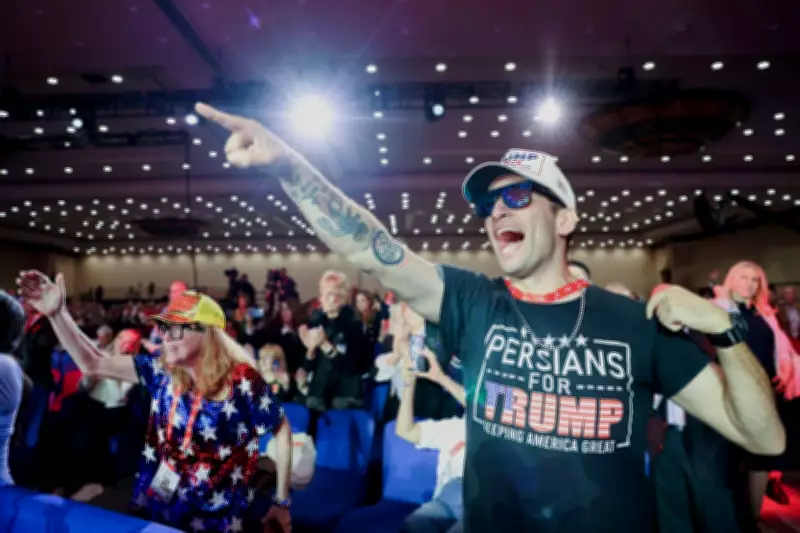
A clear generational divide has emerged among conservative activists attending the Conservative Political Action Conference (CPAC) regarding former President Donald Trump's military actions in Iran. The rift highlights evolving perspectives within the Republican base as younger and older conservatives express differing views on foreign intervention and national security priorities.
Older Conservatives Maintain Hawkish Stance
Older attendees at the conference, many of whom have supported Republican foreign policy for decades, largely back Trump's aggressive approach toward Iran. These conservatives argue that decisive military action is necessary to counter Iranian aggression and protect American interests in the Middle East. They point to Iran's support for militant groups and nuclear ambitions as justification for Trump's policies, emphasizing traditional conservative values of strong national defense and deterrence against adversaries.
Younger Activists Express Skepticism
In contrast, younger conservative activists at CPAC show increasing skepticism about prolonged military engagement in Iran. Many cite concerns about the financial costs of foreign wars, potential for mission creep, and the human toll of conflict. This generation appears more focused on domestic issues and questions whether military intervention aligns with conservative principles of limited government and fiscal responsibility. Some younger attendees advocate for alternative approaches, including diplomatic pressure and targeted sanctions rather than open-ended military commitment.

Conference Atmosphere Reflects Tension
The division was palpable throughout the CPAC gathering at the Gaylord Texan Resort and Conference Center in Grapevine, Texas. While speakers like White House Border Czar Tom Homan received enthusiastic applause from traditional conservative audiences, conversations in hallways and breakout sessions revealed nuanced disagreements about foreign policy direction. The split suggests that the Republican Party may face ongoing internal debates about America's role in global conflicts as leadership transitions to younger generations.
Broader Implications for Conservative Movement
This generational disagreement over Iran policy reflects larger trends within conservative politics. As younger activists bring different life experiences and priorities to political engagement, traditional party positions on foreign affairs may undergo significant reevaluation. The divide at CPAC could influence future Republican platforms, candidate selection, and voter mobilization strategies, particularly as the party seeks to maintain unity while appealing to evolving demographic realities.