A Colorado appeals court on Thursday reversed homicide convictions against two paramedics in the 2019 death of Elijah McClain, a Black man who was pinned down by police and injected with a fatal dose of ketamine. The court ordered new trials for Aurora Fire Rescue paramedics Jeremy Cooper and Peter Cichuniec, citing errors in jury instructions regarding the criminally negligent homicide charges.
Background of the Case
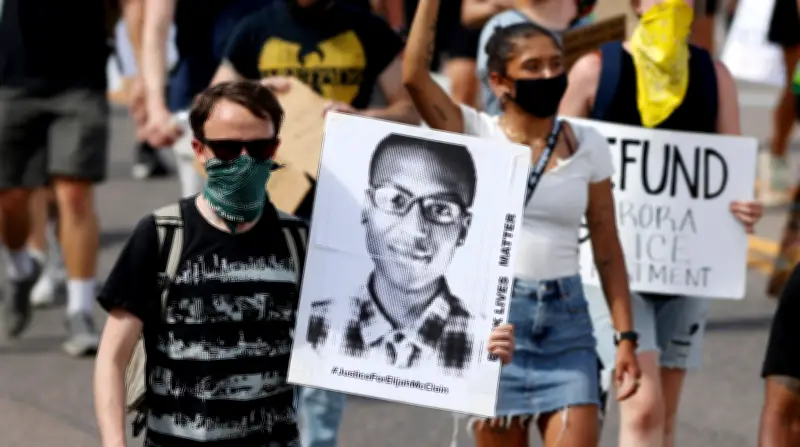
McClain, 23, was stopped by police while walking home from a convenience store in Aurora, Colorado, in response to a suspicious person complaint. Officers forcibly restrained him and put him in a neck hold. Paramedics then administered ketamine, leading to his death. McClain's final words, "I can't breathe," echoed those of George Floyd a year later, and his name became part of the rallying cries for social justice that swept the U.S. in 2020.
Rare Charges Against Paramedics
Criminal charges against paramedics and emergency medical technicians involved in police custody cases are rare. The prosecution sent shock waves through first responders across the U.S., raising questions about the use of ketamine to subdue struggling suspects. University of Miami criminologist Alex Piquero noted that the new trials could influence first responders' behavior during similar calls.

Convictions and Sentencing
A jury in 2023 found Cooper and Cichuniec guilty of criminally negligent homicide. Cichuniec was also found guilty of second-degree felony assault. He received five years in prison but was released early in 2024 after a judge reduced his sentence to four years of probation, citing unusual and extenuating circumstances. Cooper avoided prison and was sentenced to 14 months in jail with work release and probation.
Appeals Court Ruling
The appeals court upheld Cichuniec's assault conviction but faulted the jury instructions on the criminally negligent homicide charges, sending the cases back for a new trial on that charge. Colorado Attorney General Phil Weiser announced he would appeal the decision, stating that bringing the cases to trial was the right thing for justice and healing in the Aurora community.
Reinvestigation and Indictments
Local prosecutors initially declined to bring charges, as an initial autopsy was inconclusive. Following nationwide protests after George Floyd's death, Governor Jared Polis directed a reinvestigation. A grand jury indicted the two paramedics and three police officers after forensic pathologist Dr. Stephen Cina changed his findings, attributing McClain's death to ketamine after reviewing body camera footage.
Defense Arguments
The paramedics' defense attorneys argued they followed their training in administering ketamine after diagnosing McClain with "excited delirium," a disputed condition some say is unscientific. They also claimed prosecutors did not prove the sedative caused his death. Aurora paramedics had been trained to use the drug for that condition in 2018, but state officials have since told them to stop using excited delirium as a basis for administering ketamine.
Reactions
MiDian Shofner, CEO of the Epitome of Black Excellence and Partnership, who befriended McClain's mother, called the appellate ruling disappointing and one of the most divisive judicial decisions in recent memory. She questioned what accountability truly means when a Black life is taken under circumstances that shock the public's conscience.