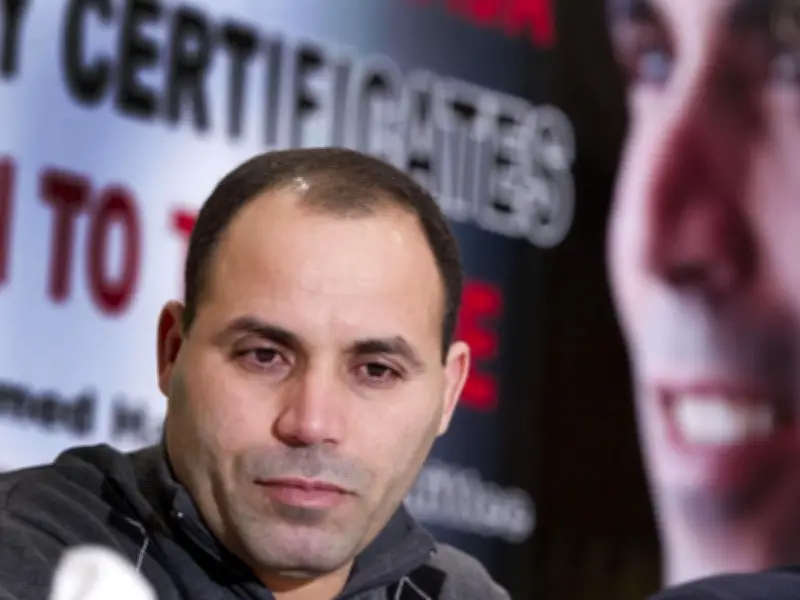
A Federal Court judge has ruled that accused terrorist Mohamed Harkat should be granted a judicial review of a federal government decision that he should not be allowed to stay in Canada. This comes more than two decades after the government first launched its bid to deport the Algerian-born refugee.
On June 4, Federal Court Judge John Norris sent the decision back to be reassessed by a different decision maker. The ruling came at the end of an eight-year judicial review to determine whether an unnamed government official made a fair and reasonable decision in concluding that Harkat should be deported to Algeria despite his contention that he would be tortured or persecuted there.
Key Findings of the Court
Judge Norris wrote: "Briefly, I am not persuaded that the process followed by the decision maker breached the requirements of procedural fairness, either at common law or stemming from Section 7 of the Charter. On the other hand, I have concluded that the delegate's determination that the applicant should not be allowed to remain in Canada on the basis of the nature and severity of acts committed is unreasonable because a key finding by the delegate — that the applicant was complicit in acts of terrorism committed by Chechen extremists — is not reasonably supported by the delegate's analysis of the record, including Justice (Simon) Noël's findings supporting the reasonableness of the security certificate."

Background of the Case
Harkat, now 57, arrived in Canada in October 1995 and was later granted refugee status. He has been living in Ottawa, or in jail, for the past three decades. First arrested in December 2002 on the strength of a security certificate that deemed him a terror suspect, Harkat has always denied any connection to terrorism.
He told Federal Court he would be tortured or killed if returned to Algeria, the country from which he fled in 1990 as a university student opposed to its then military-backed government. After leaving Algeria, he spent five years in Pakistan.
Government's Allegations
The federal government said Harkat operated a guest house in Peshawar, Pakistan, for Chechen rebel leader Ibn Khattab and helped move mujahedeen fighters in and out of training camps in Afghanistan. The minister's delegate said Harkat, as a member of the Khattab group, was complicit in the terrorist acts of feared Chechen rebel leader Shamil Basayev, whom Khattab supported. Basayev was responsible for some of the bloodiest acts of the Chechen conflict. The delegate also placed the Khattab and Basayev groups within the larger terror network — described as "a system of systems" — allied with terrorist kingpin Osama bin Laden.
The minister's delegate concluded Harkat posed a serious threat to Canada as a member of the al-Qaida network and was unlikely to be mistreated in Algeria. However, Judge Norris found this conclusion unreasonable due to insufficient support for the complicity finding.