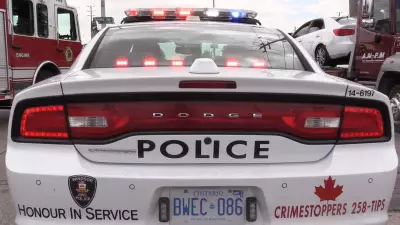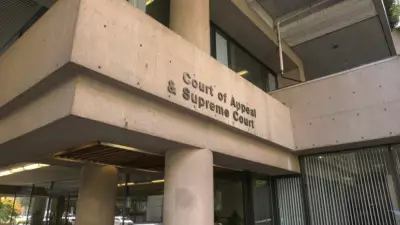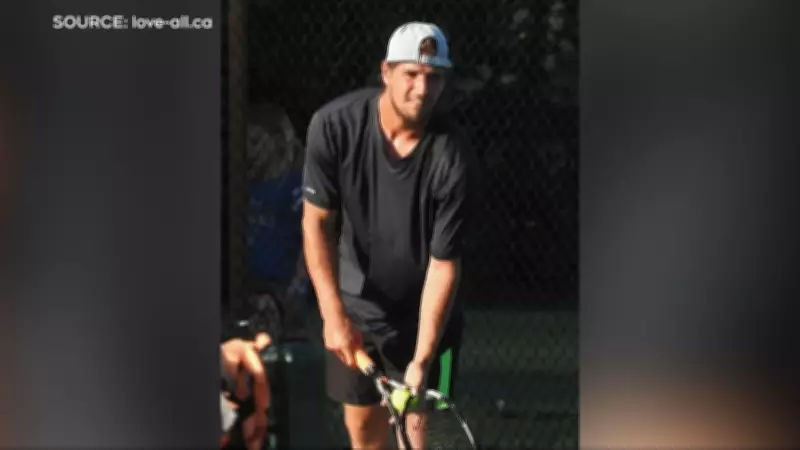
The coroner's inquest into the police shooting death of Justin Bourassa, a Sarnia man, has reached its final stage as the jury hears closing submissions. The proceedings, which have been closely watched by the community and legal experts, aim to determine the circumstances surrounding the fatal incident involving law enforcement officers.
Background of the Case
Justin Bourassa, a resident of Sarnia, Ontario, was shot and killed by police under circumstances that have prompted a thorough investigation. The inquest, mandated by the province, seeks to provide answers to the family and the public, as well as to recommend measures to prevent similar tragedies in the future.
Key Details from the Inquest
Throughout the hearings, evidence has been presented regarding the events leading up to the shooting, including witness testimony, forensic analysis, and police procedures. The jury must weigh this evidence to arrive at a verdict on the cause and manner of death.

- The shooting occurred in Sarnia, a city in southwestern Ontario.
- The inquest has examined police protocols and use of force policies.
- Family members of Bourassa have called for accountability and transparency.
Closing submissions provide both the legal representatives for the family and the police with an opportunity to summarize their arguments. The jury is expected to deliberate before issuing its findings and recommendations.
Broader Implications
This case adds to ongoing discussions about police accountability and the use of lethal force in Canada. Advocacy groups have emphasized the need for systemic reforms to ensure safety and justice for all citizens.
The inquest is a legal process that does not assign criminal liability but aims to inform public policy. The outcome could influence future training and operational guidelines for law enforcement agencies.