Prime Minister Carney's National Unity Pitch Confronts Alberta Separatist Sentiment
In a striking display of Canada's political polarization, Prime Minister Mark Carney delivered a national unity address while hundreds of Albertans braved frigid temperatures to sign petitions supporting provincial independence. The contrasting scenes unfolded simultaneously, revealing deep fractures within the federation that Carney's rhetoric sought to mend.
Alberta's Chilling Independence Movement
Residents of Stony Plain, Alberta lined up in -30°C wind chill conditions to add their signatures to a petition that could lead to a historic autumn referendum. The question posed to Albertans is direct and potentially transformative: "Do you agree the province of Alberta should cease to be part of Canada to become an independent state?" This grassroots movement represents growing western alienation and economic discontent that has simmered for years.
Carney's Vision of Canadian Unity
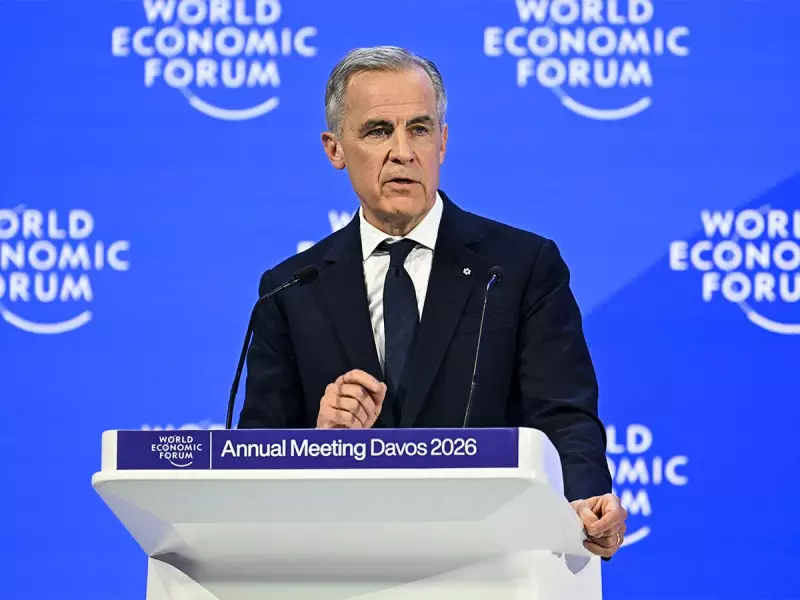
From Quebec City, Prime Minister Carney addressed the nation with what supporters described as a state-of-the-nation speech focused on preserving Canadian unity. His message emphasized liberal internationalism, pluralism, and reconciliation—echoing themes from former Prime Minister Justin Trudeau's tenure while attempting to forge his own political identity.

Carney spoke of Canada's history tracing "an arc of broadening inclusion" and described the country as "the greatest country in the world to be a regular person." He highlighted what he called Canada's modern progressive liberal state that embraces "the values of caring and sharing," while promoting solidarity, inclusivity, and the virtues of equalization payments between provinces.
Eastern Anxiety and Political Theater
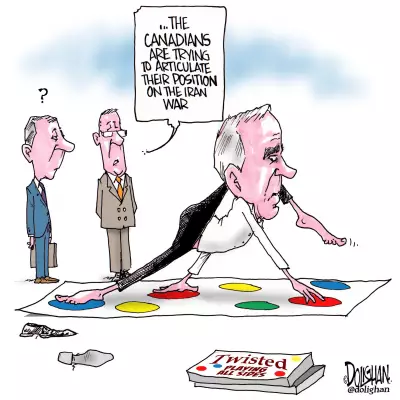
The prime minister's speech came amid reports of heightened anxiety among some eastern Canadians, with concerns about American influence and hypothetical invasion scenarios circulating in certain circles. Some political observers noted that Carney's supporters appeared "absolutely breathless" awaiting his words, with some media outlets suggesting his brilliance was "unrivalled" and his words would be "quoted over and over again for decades to come."
Critics, however, questioned whether Carney's rhetoric matched reality. One observer noted that "if words were actions, we'd be living in Disneyland," highlighting the gap between political speech and tangible results. Others wondered how Carney measures Canada's status as the "greatest country for regular people" and whether he truly understands the concerns of ordinary citizens.
The Political Divide Deepens
The simultaneous events—Albertans signing independence petitions while Carney delivered unity speeches—illustrate Canada's deepening political divisions. The prime minister's address, delivered at the World Economic Forum in Davos just days earlier, positioned him as an international statesman while domestic challenges mounted at home.
Carney's speech invoked themes of progress and justice, though skeptics noted that "how many politicians have broken hearts and done much worse in the name of progress and justice." His supporters, described as "full-blown, high-octane Elbows Up," reportedly see salvation in Carney's leadership and would vote for him "with a pencil oozing with enthusiasm" if an early election were called.
Looking Ahead
As Alberta's independence movement gains momentum through petition drives and Carney attempts to shore up national unity through rhetoric, Canada faces a critical moment in its political evolution. The coming months will reveal whether Carney's words can bridge the growing divide between regions or whether Alberta's separatist sentiment will translate into a formal independence referendum that could reshape the country's future.