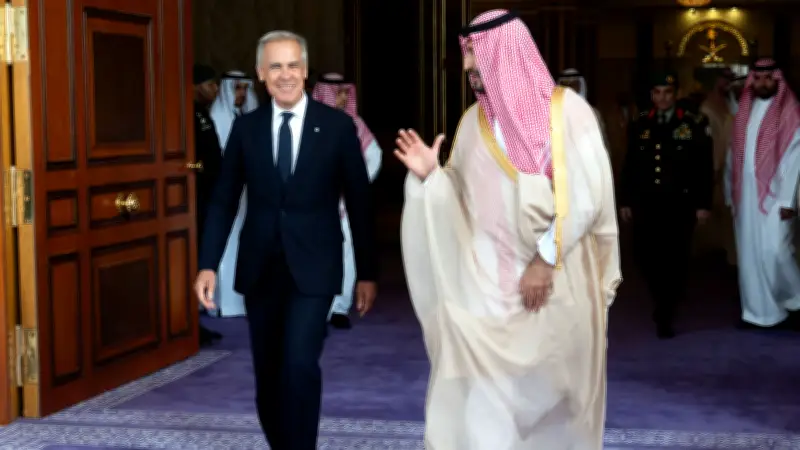
Prime Minister Mark Carney's recent visit to Saudi Arabia represents a significant departure from Canada's traditional approach to foreign policy, breaking what opinion writer Sharan Kaur describes as the country's 'cycle of self-righteousness.' During the visit, Carney secured investment partnerships in energy, defence, and education, while critics pointed to Saudi Arabia's human rights record.
Engagement Over Lecturing
Carney defended the trip by stating that 'engagement is not endorsement' and argued that 'lecturing countries from afar is an ineffective strategy.' This pragmatic approach marks a shift from previous Canadian governments that often prioritized moral stances over economic ties. The visit included the playing of 'O Canada' in Saudi Arabia for the first time in 26 years, symbolizing a thaw in relations.
Economic and Strategic Benefits
The deals signed cover energy, defence, and education, areas where Canada stands to gain significant economic benefits. Carney emphasized that 'we've barely scratched the potential of the relationship,' suggesting further collaboration ahead. This comes as Canada seeks to diversify its trade partnerships and reduce reliance on traditional allies.

Human Rights Concerns
Human rights groups have criticized the visit, citing Saudi Arabia's record on issues such as the murder of journalist Jamal Khashoggi and the treatment of dissidents. However, Carney's stance reflects a broader trend among Western leaders who prioritize economic and strategic interests over human rights concerns. Kaur argues that this approach may be more effective in promoting change through engagement rather than isolation.
Domestic Reactions
Within Canada, reactions have been mixed. Some praise Carney for prioritizing economic growth, while others accuse him of compromising Canadian values. The visit comes as Carney heads to the Calgary Stampede, signaling a focus on energy sector ties. The federal government is also proposing a new digital regulator, indicating a broader agenda of economic modernization.
Historical Context
Relations between Canada and Saudi Arabia have been strained since 2018, when then-Foreign Minister Chrystia Freeland criticized Saudi Arabia's human rights record on Twitter, leading to a diplomatic rift. Carney's visit aims to reset ties, focusing on mutual economic benefits. Kaur notes that this pragmatic approach may yield better results for Canadian interests abroad.