Carney's Gas Tax Suspension Reflects Poilievre's Earlier Advocacy
In a significant move, Prime Minister Mark Carney declared on Tuesday that the federal government will temporarily halt the excise tax on gasoline, diesel, and aviation fuel. This decision, set to take effect from Monday until Labour Day, is projected to reduce gasoline prices by 10 cents per litre and diesel and aviation fuel by four cents per litre, resulting in an estimated $2.4 billion loss in government revenue.
Opposition Role in Shaping Policy
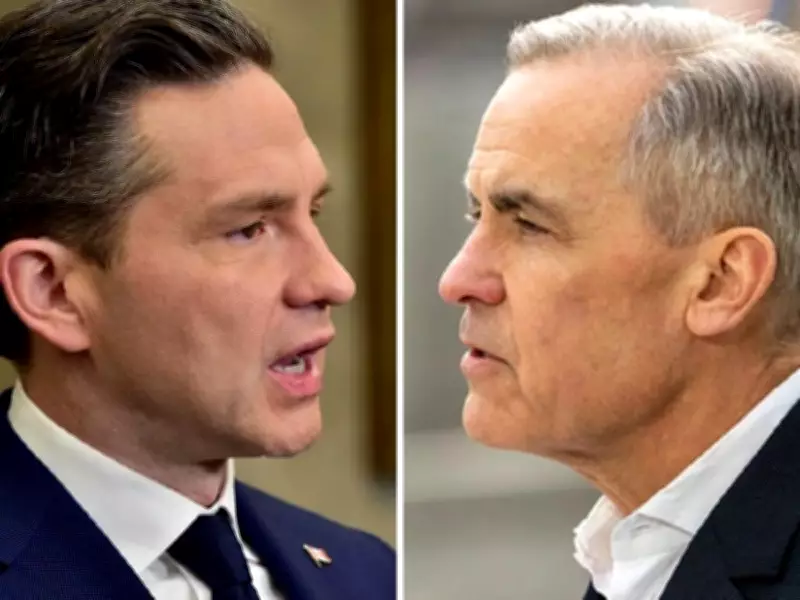
The announcement underscores the crucial function of the official opposition in a parliamentary democracy. Conservative leader Pierre Poilievre had previously called for this measure on April 2, advocating for a more extensive suspension that included not only the federal excise tax but also the elimination of the GST on fuel, along with permanent removal of the federal clean fuel standard and industrial carbon tax.
Poilievre argued that his proposed plan would lower gasoline prices by 25 cents per litre and diesel by 21 cents per litre, potentially saving a family of four approximately $20 per minivan fill-up and over $1,200 by the end of 2026. He contended that the foregone revenue would be offset by increased tax collections from elevated oil prices driven by the ongoing Mideast conflict.

Historical Precedents of Policy Adoption
While Carney denied that Poilievre inspired the tax suspension, this instance is not isolated. The Prime Minister has previously incorporated Conservative ideas into his agenda, such as:
- Eliminating the consumer carbon tax
- Supporting a new pipeline from Alberta's oilsands to British Columbia's coast
- Implementing a middle class tax reduction
- Reversing the capital gains tax increase
- Reducing immigration levels
- Scrapping electric vehicle mandates
- Reforming bail policies
- Cutting the GST for new home buyers
Poilievre emphasized the opposition's role, stating, "We think our role in this parliament is to put forward good ideas and so my message to Mr. Carney is: 'Steal our best ideas,' work with us, let's get it done, let's put our country first, who cares who gets the credit?" This perspective highlights a collaborative approach to governance, though it also raises questions about political credit and partisanship.
Broader Implications for Parliamentary Dynamics
The gas tax holiday illustrates how opposition proposals can influence government policy, fostering a dynamic where ideas transcend party lines for national benefit. However, it also reveals tensions within the Conservative party, with some members accused of disloyalty and backstabbing, potentially undermining unified opposition efforts.
This development comes amid broader political shifts, including Carney's majority government and ongoing debates about economic policies. As fuel prices remain a sensitive issue for Canadians, this temporary relief may offer short-term financial respite while sparking discussions on long-term energy and tax strategies.