Carney's Political Standing Faces Internal Scrutiny Amid Middle East Turmoil
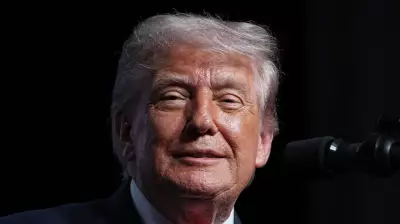
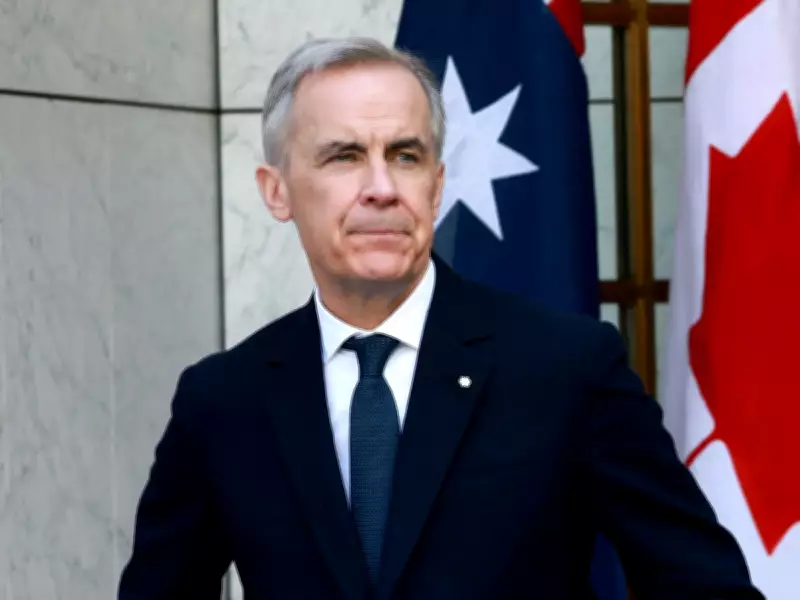
Prime Minister Mark Carney's credibility is encountering significant challenges from within his own political circles as the ongoing conflict with Iran threatens to destabilize both global markets and domestic economic conditions. The Prime Minister's Office has taken steps toward transparency by disclosing Carney's recent conversation with U.S. President Donald Trump, yet the substance of their discussion remains frustratingly vague for observers seeking clarity on Canada's position.
Economic Fallout from Prolonged Conflict
The potential for extended military engagement in the Middle East presents serious economic risks that could directly impact Canadian households and businesses. Oil prices have already demonstrated volatility, with West Texas Intermediate crude briefly surpassing US$100 per barrel before settling in the mid-80s range, representing a significant increase from the US$71 trading level observed just one week earlier.
This energy price instability translates directly to higher costs for Canadian consumers, with gasoline prices currently averaging over 150 cents per litre compared to 128 cents just one month ago. Agricultural sectors are feeling similar pressures, as evidenced by urea fertilizer prices reaching $1,200 per tonne, representing a substantial one-third increase since November purchases.

The specter of stagflation—that dangerous combination of rising inflation alongside weakening economic growth—looms as a genuine threat that could undermine employment markets and investment confidence across multiple sectors.
Strategic Dilemmas and Political Calculations
From Carney's perspective, diplomatic efforts have reportedly focused on encouraging the American administration to declare victory swiftly rather than pursuing unrealistic demands for unconditional surrender from Iran. This approach reflects concerns shared by numerous international leaders Carney recently consulted during diplomatic visits to India, Australia, and Japan.
India's particular vulnerability deserves special attention, with nearly half of its oil supplies transiting through the strategically vital Strait of Hormuz. Despite these international concerns, President Trump has characterized potential price increases as "a small price to pay" for achieving global stability, though his administration's strategy for actually delivering that stability remains unclear to many observers.
Credibility Challenges Within Carney's Own Party
The prime minister's initial expression of support for efforts targeting Iran's nuclear program has evolved into what many consider the first genuine test of his credibility with his own political base. Carney likely envisioned a limited military engagement similar to last summer's twelve-day conflict, which targeted specific military installations without attempting regime change.
Instead, the current campaign has unfolded with what critics describe as concerning unpredictability, prompting Ottawa to explicitly clarify that Canada was neither consulted about the strikes, participated in them, nor plans future involvement. This distancing reflects growing concerns about the conflict's management and its potential consequences.
The economic implications extend beyond immediate consumer impacts. While Canada's resource industries may experience some benefits from shifting crude oil markets—with heavy sour crude varieties like Western Canadian Select potentially gaining value as Middle Eastern supplies face disruption—the broader economic picture remains concerning.
Canola futures have already demonstrated upward movement, yet these potential sectoral gains must be weighed against the widespread inflationary pressures affecting transportation, agriculture, and household budgets across the country. The fundamental reality remains that sustained conflict threatens to unleash inflationary forces that historically consume incumbent governments, regardless of their direct responsibility for the underlying causes.

As this situation continues to develop, Carney faces the dual challenge of navigating complex international diplomacy while maintaining domestic political support during a period of growing economic uncertainty. The coming weeks will reveal whether his approach can successfully balance these competing priorities or whether the conflict's economic consequences will indeed corrode his currently favorable approval ratings.