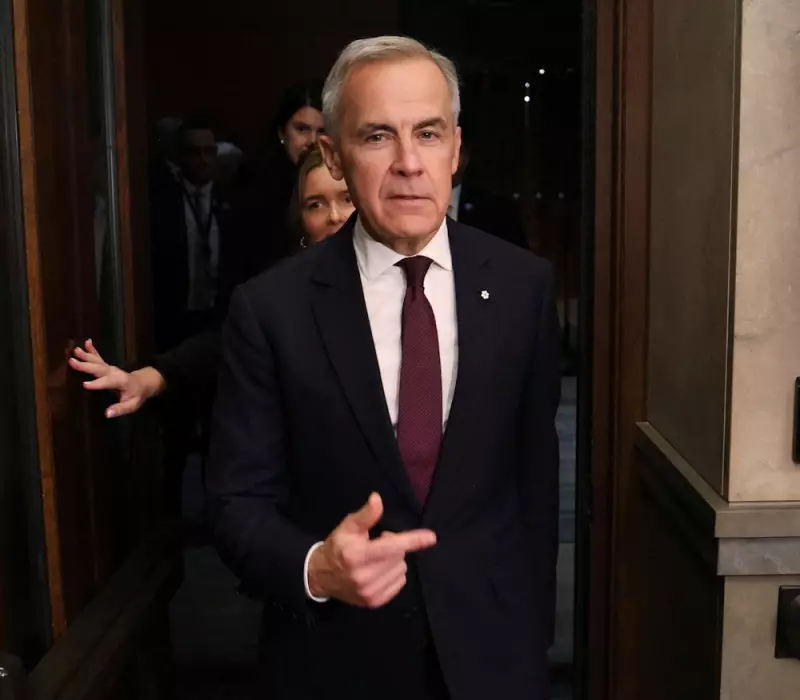
Prime Minister Mark Carney's government is opting for a costly voluntary departure program over mass layoffs to reduce the size of the federal civil service, a strategy that will require nearly two decades to break even financially.
The High Cost of a Smaller Public Service
According to federal budget documents, the proposed Early Retirement Incentive is projected to cost an average of $300 million annually over five years, for a total expenditure of $1.5 billion. In return, the program is expected to yield ongoing savings of $82 million per year on the federal payroll. Based on these figures, it could take approximately 18 years, until around 2044, for the cumulative savings to equal the initial outlay.
Details of the Voluntary Departure Plan
The initiative, which the government began notifying 68,000 public servants about this week, resurrects a 1990s approach to downsizing. It targets civil servants aged 50 and over, offering them the chance to retire early without the standard pension penalties.

In its most generous form, the program allows a government worker with just 10 years of service to retire up to five years early while still receiving their full pension. An official backgrounder describes it as enabling "eligible employees to apply to retire with an immediate pension based on years of service with no reduction for early retirement."
Given that the average public service pension is roughly $38,870 per year, this incentive is equivalent to offering a departing bureaucrat a package worth as much as $194,000 to leave their position ahead of schedule.
Context: Reversing a Decade of Growth
This move comes as the Carney administration seeks to rein in a civil service that reached an all-time high of 367,772 employees in 2024. This peak was largely the result of a significant expansion under former Prime Minister Justin Trudeau, whose nine-year tenure saw the number of federal bureaucrats swell by 42 percent and the federal payroll increase by 68 percent.
Carney's first budget, tabled in November 2025, pledged to create a "more sustainable public service" by cutting 40,000 positions. The government has committed to achieving these reductions primarily through "attrition and voluntary departure" rather than involuntary layoffs. The current number of federal employees stands at 357,965.
The Early Retirement Incentive is expected to begin rolling out in 2026, marking a expensive but politically less contentious path to shrinking the size of the federal government.