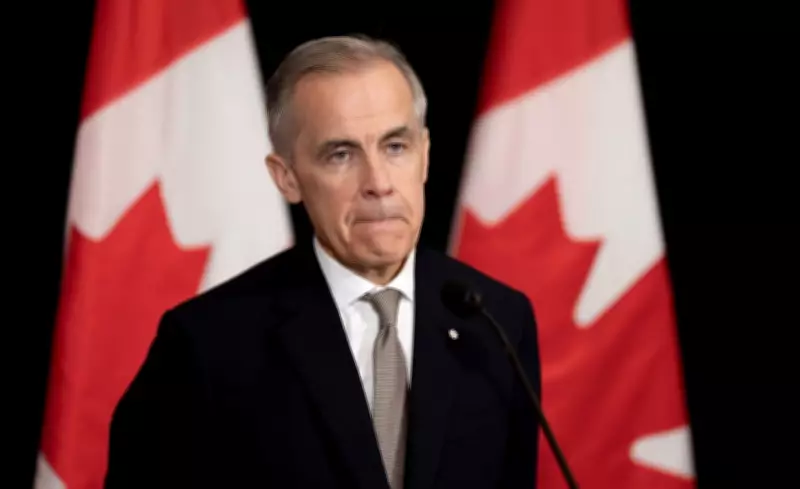
Prime Minister Carney Returns to Parliament Amid Opposition Scrutiny
Prime Minister Mark Carney is set to attend Tuesday's question period in the House of Commons, following a notable absence that drew sharp criticism from other political parties. The return comes after opposition leaders publicly questioned Carney's availability for parliamentary accountability sessions, highlighting tensions in the current political landscape.
Background of the Parliamentary Absence
Carney's absence from recent question periods had become a focal point for opposition parties, who argued that regular attendance is essential for government transparency and accountability. Question period serves as a critical mechanism for members of Parliament to directly interrogate the prime minister and cabinet ministers on government policies, decisions, and current issues affecting Canadians.
The criticism emerged as Carney maintained a busy international schedule, including recent engagements in Sydney, Australia, where he addressed reporters on March 4, 2026. While prime ministers often balance domestic parliamentary duties with international commitments, opposition parties emphasized that consistent presence during question period remains non-negotiable for democratic oversight.

Political Reactions and Implications
Opposition parties had been vocal in their disapproval, suggesting that Carney's absence undermined parliamentary traditions and reduced opportunities for substantive policy debate. "The prime minister's presence during question period isn't optional—it's fundamental to our democratic process," stated one opposition spokesperson ahead of Tuesday's session.
Political analysts note that such absences can fuel narratives about government accessibility and responsiveness, particularly during periods of significant legislative activity or public concern. Carney's return to the parliamentary spotlight on Tuesday is expected to address these criticisms directly, with opposition members preparing pointed questions on various policy matters.
Broader Context of Parliamentary Accountability
The incident underscores ongoing debates about parliamentary attendance norms and the balancing act between domestic governance and international diplomacy. While prime ministers have occasionally missed question periods due to official travel or other commitments, sustained absences typically attract intensified scrutiny from political opponents and parliamentary observers.
Tuesday's question period will mark Carney's first appearance following this controversy, providing an opportunity to reengage with parliamentary proceedings and address the concerns raised by opposition members. The session is anticipated to cover a range of topics, from economic policy to international relations, reflecting the diverse challenges facing the current administration.
As Parliament resumes its regular schedule, all eyes will be on how Carney navigates the questioning and whether his responses satisfy critics who questioned his commitment to parliamentary accountability. The outcome may influence both short-term political dynamics and longer-term perceptions of governmental transparency as the political year progresses.