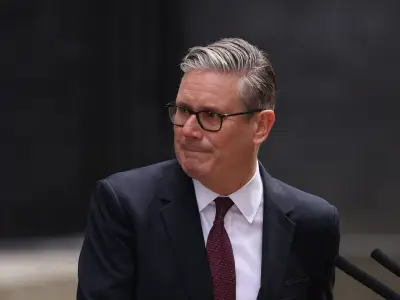
Prime Minister Mark Carney defended a government plan to acquire vacant condos and convert them into affordable housing, which critics have slammed as a bailout for real estate developers. Speaking at a news conference Thursday, Carney acknowledged the federal government had done a poor job announcing and explaining the initiative, emphasizing that it remains in an early phase.
Details of the condo conversion program
Carney and British Columbia Premier David Eby unveiled the plan on June 18, proposing that federal and provincial governments acquire and convert more than 2,200 vacant apartment units using government financing. Carney said the overall dollar value of transactions contemplated by the program is around $1.45 billion, with the federal government providing “about 10 per cent of the financing.” The governments would acquire distressed condos “at a discount.”
“There’s no specific contemplated transaction at this stage,” Carney said, adding that “if and when there are transactions, then judge those transactions on the basis of the economics of that, not on the concept.”

Criticism from opponents
The plan was immediately attacked by industry observers and Conservative Leader Pierre Poilievre as an unfair special favour for developers and banks. Opponents highlighted the prospect of using taxpayer cash to underwrite business risk and socialize private losses, creating troubling incentives. A Conservative fundraising email stated: “Carney’s condo bailout is the latest example of Liberals taking care of themselves and their friends, with your money.”
Critics also pointed to a February fundraiser Carney held in Vancouver attended by top B.C. developers. Carney responded: “No developer asked for this from me directly.”
Market context and program focus
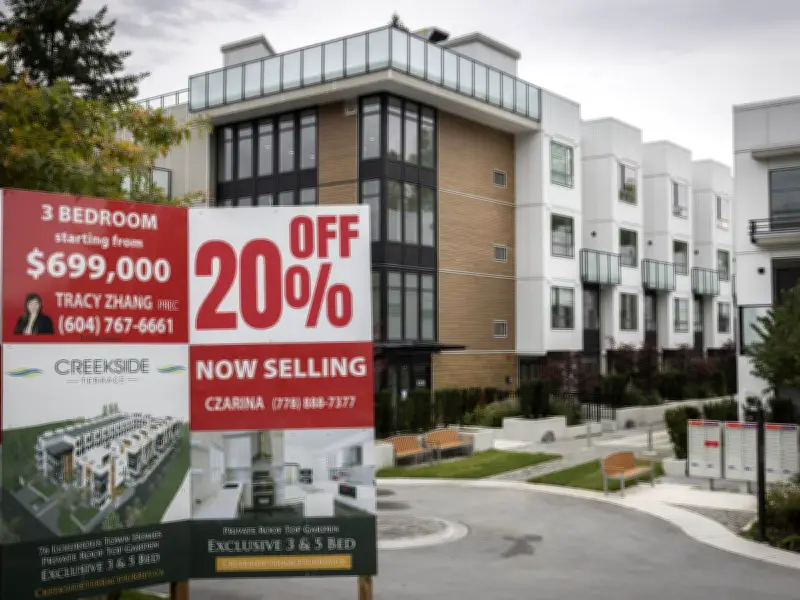
Both Vancouver and Toronto are awash with unsold condos after a pandemic-era building boom followed by rising interest rates and a cap on immigration. Weaker demand has forced developers to cancel projects, offer incentives, or cut prices, and in some cases, see towers go into receivership.
Carney argued: “We don’t care about the developer, but we care about the person, the family that can potentially move into the home.” The program would focus on rent-to-own, a model that allows people to build home equity or a down-payment folded into rental payments.
Government and industry reactions
Carney said the idea was brought to the federal government by the BC government. Gregor Robertson, Carney’s housing minister and former Vancouver mayor, said on Wednesday that media had misreported the financial commitment but only said he’d share more details “in the coming months.”
The Urban Development Institute, which represents BC developers, came out against the plan on Wednesday, arguing instead that “long-term affordability requires policies that support the delivery of substantially more homes,” such as a sales-tax rebate on new home purchases.