Canadians Voice Outrage Over Government Pay Raises Amid Economic Strain
Poll after poll indicates a growing frustration among Canadians regarding the automatic pay-raise culture prevalent in Ottawa. As everyday citizens grapple with rising living costs, politicians and bureaucrats continue to receive annual salary increases, sparking widespread public disapproval.
The Divide Between Taxpayers and Government
There is a clear and widening gap between the people who fund government operations and the officials who benefit from taxpayer dollars. Recent data highlights that Members of Parliament are set to receive pay raises ranging from $8,800 to $17,600 this year, effective April 1. Following these adjustments, a backbench MP will earn $218,600 annually, while ministers will collect $322,700 and the prime minister will take home $437,200.
Despite these increases, Leger polling shows that 80% of Canadians oppose the MP pay raises. This level of consensus is rare in political discourse, underscoring the depth of public sentiment against what many perceive as an entitlement culture within government circles.

One MP Stands Against the Tide
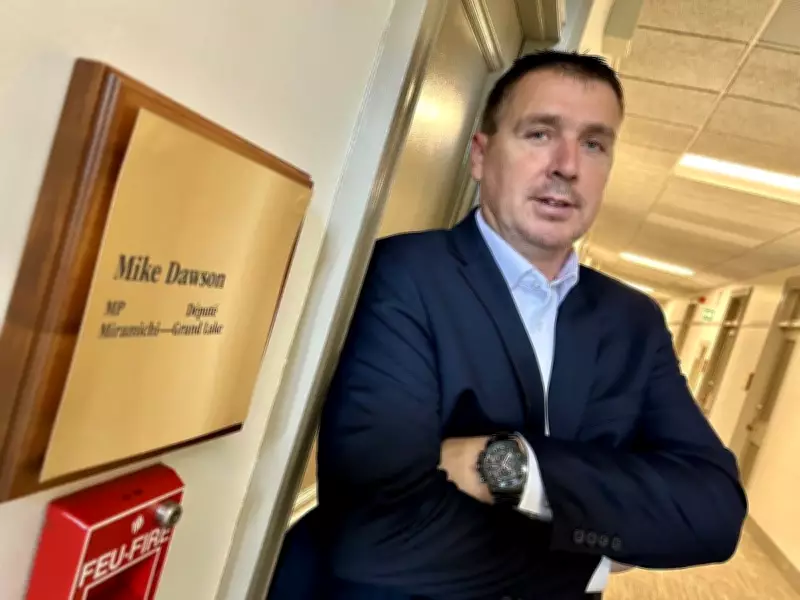
Amid this controversy, only one MP has publicly aligned with the majority of Canadians by refusing the pay increase. Mike Dawson, a Conservative MP from New Brunswick, has taken a stand against accepting the nearly $10,000 raise. "At a time when everyday Canadians are struggling to keep up with the rising cost of living, I cannot in good conscience accept the pay increase," Dawson stated.
His decision has garnered significant support, with thousands of emails from Canadians and Leger polling indicating that 78% of the population backs his refusal. This move highlights a rare instance of political courage in challenging the status quo of government compensation.
Entitlement Culture Extends Beyond MPs
The culture of entitlement is not limited to MPs; it permeates the entire government bureaucracy. For instance, Governor General Mary Simon recently received a raise, bringing her salary to nearly $400,000 per year for a largely symbolic role. Additionally, the position allows for expense claims up to $130,000 for clothing and provides a $150,000 annual pension upon leaving office, with ongoing expense allowances of up to $200,000 yearly.
Public opinion mirrors the discontent with MP raises, as about 60% of Canadians support cutting the governor general's salary, according to Leger polling. Furthermore, nearly all government executives received bonuses last year, totaling $201 million, despite government departments meeting only 54% of their performance targets.
Broader Implications for Government Services
The disconnect between government compensation and performance is stark. Half of Canadians report that federal services have deteriorated since 2016, even as the cost of the bureaucracy has surged by 80% over the past decade. This raises questions about the efficiency and accountability of public spending, especially when executives reward themselves despite failing to meet their own benchmarks.
In summary, the current scenario paints a troubling picture:
- MPs receive annual raises opposed by 80% of Canadians.
- The governor general takes raises despite 60% of Canadians wanting salary cuts.
- Nearly all government executives get bonuses, even as most Canadians advocate for reducing bureaucracy.
With only one MP, Mike Dawson, publicly challenging this system, there is a call for more political leaders to demonstrate courage and moral clarity. Polls suggest that Canadians would reward those who stand up against government entitlement and prioritize taxpayer interests. Franco Terrazzano, federal director of the Canadian Taxpayers Federation, emphasizes the need for accountability in this ongoing debate.