Canadian Woman Killed in Shooting at Mexico's Teotihuacan Pyramids
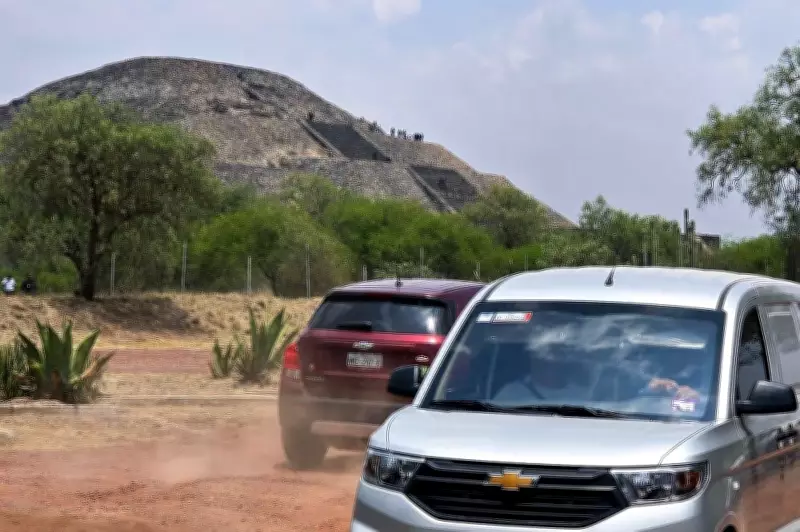
A Canadian woman has tragically lost her life and multiple other individuals sustained injuries following a violent shooting incident at the renowned Teotihuacan pyramids archaeological zone located just outside Mexico City. According to official statements from Mexican authorities, the assailant carried out the attack before ultimately taking his own life at the historic site.
Details of the Attack and Response
Mexican law enforcement officials reported that the injured victims are currently receiving necessary medical attention. At the scene, investigators seized a firearm, an edged weapon, and live ammunition cartridges as part of their ongoing inquiry into the circumstances surrounding this devastating event.
Local government representatives provided further clarification, indicating that four individuals suffered gunshot wounds while two additional people sustained injuries from falls during the chaotic incident. The identities of the deceased Canadian woman, the wounded victims, and the gunman have not been immediately disclosed to the public as investigations continue.

Mexican President Claudia Sheinbaum expressed profound sorrow regarding the tragedy through a social media statement, emphasizing that agencies at all governmental levels are actively responding to the situation. She conveyed heartfelt solidarity with those affected and their families while confirming that her administration maintains communication with Canadian embassy officials.
The Historic Teotihuacan Site
Teotihuacan represents one of Mesoamerica's most significant archaeological treasures, a pre-Hispanic urban center whose origins trace back approximately to 400 BC. This UNESCO World Heritage Site features monumental stone structures including the iconic Pyramids of the Sun and Moon along with the Great Compound containing the Temple of Quetzalcoatl.
The ancient city demonstrates remarkable urban planning that profoundly influenced subsequent civilizations throughout the region. Historical evidence suggests Teotihuacan was constructed gradually by various Indigenous groups, potentially including Maya, Otomi, and Totonac peoples, with the original builders remembered in Mexican culture as "Teotihuacanos."
For Indigenous communities, the location holds deep spiritual significance, bearing the Aztec designation meaning "the place where gods were created." According to 16th-century historical accounts, Aztec emperor Moctezuma conducted ritual human sacrifices at the site every twenty days.
Conservation experts have expressed growing concern that ongoing urban development from nearby Mexico City, home to approximately 22 million residents, poses increasing threats to the preservation of this invaluable archaeological treasure.