Canada has sent a clear message to Chinese automakers regarding electric vehicles (EVs): 'build where you sell.' The statement, reported by Judy Trinh and updated on June 22, 2026, signals Ottawa's expectation that foreign manufacturers establish local production facilities to access the Canadian market.
Policy Signal to Chinese EV Makers
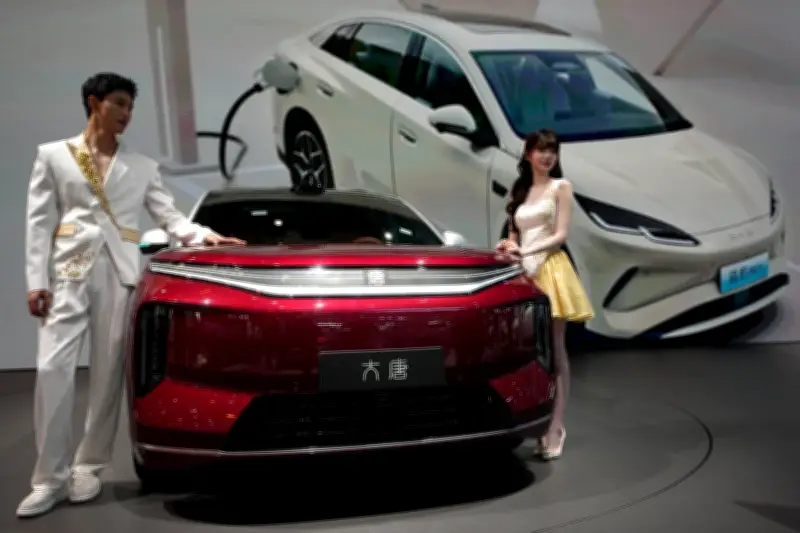
The directive comes amid growing global competition in the EV industry, with Chinese automakers like BYD expanding internationally. At the Auto China 2026 show in Beijing, BYD showcased its latest models, highlighting the brand's ambitions. Canada's stance aims to encourage investment and job creation within its borders, aligning with broader industrial strategies.
According to the report, the 'build where you sell' approach is part of Canada's efforts to secure domestic benefits from the EV transition. The policy mirrors similar moves by other countries seeking to localize supply chains and reduce dependence on imports.

Context and Implications
This development occurs as Canada unveils its nuclear strategy, promising to become an energy superpower. The EV sector is a key component of Canada's clean energy goals, with the government promoting electric mobility to reduce emissions. By urging Chinese automakers to manufacture locally, Ottawa hopes to foster technology transfer and create skilled jobs.
Industry analysts note that China is a dominant player in EV production, with companies like BYD, NIO, and XPeng expanding globally. Canada's message could influence investment decisions, potentially leading to new assembly plants or battery facilities in the country.
Reactions and Next Steps
The announcement has drawn attention from trade experts and automakers. While specific responses from Chinese companies are pending, the policy is expected to be a topic in bilateral trade discussions. Canada's move reflects a trend of protectionist measures in the EV sector, as seen in the U.S. Inflation Reduction Act and European Union initiatives.
As the EV market evolves, Canada's 'build where you sell' stance may shape future partnerships and investments. The government is likely to provide further details on incentives or requirements for foreign automakers in the coming months.