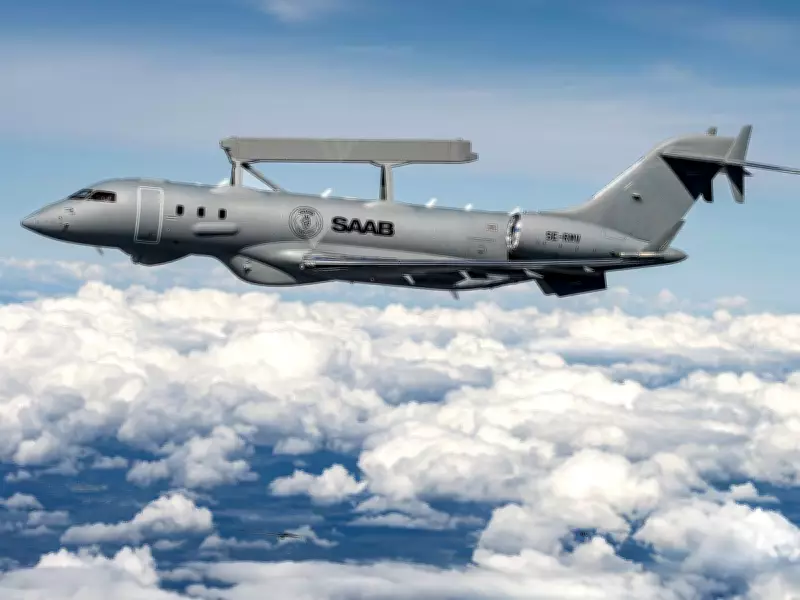
Canada has entered into discussions to acquire a Swedish-made early warning aircraft system, marking a strategic move to reduce the country's reliance on the United States for defence and military goods. The decision was announced by Prime Minister Mark Carney during the CANSEC defence trade show in Ottawa on Wednesday.
GlobalEye System Details
The GlobalEye system, manufactured by Saab AB, utilizes the Canadian-made Bombardier Global 6500 surveillance aircraft. Under the proposed arrangement, at least one-third of the GlobalEye-equipped fleet—comprising 40 aircraft—will be built in Canada over the next 15 years. This initiative is expected to generate approximately 3,000 jobs in the Canadian aerospace and defence industry, particularly in skilled trades such as engineering.
Once deployed, the Canadian Armed Forces (CAF) will leverage the GlobalEye system to detect and neutralize threats in the Arctic and other regions. The platform integrates early warning, control, and long-range surveillance capabilities for air, land, and sea domains. It can track objects and signals up to 650 kilometres away and share real-time intelligence with the CAF.

Strategic Implications
Stephen Fuhr, secretary of state for defence procurement, emphasized the benefits of this partnership: "This collaboration with Sweden demonstrates how trusted alliances can deliver world-class military capability more efficiently. It will enhance interoperability with our NATO allies and partners."
The Canadian government also evaluated the U.S.-manufactured Boeing E-7 Wedgetail aircraft, which was reportedly preferred by the CAF. However, Philippe Lagassé, associate professor at Carleton University's Norman Paterson School of International Affairs, noted in a Substack post that Saab's GlobalEye was the "obvious choice" for the government. He stated, "The capability was already operational, and it clearly aligned with the Carney government's diversification policy and defence industrial strategy."
Broader Defence Strategy
The Carney administration has accelerated efforts to rebuild the Canadian military and foster defence innovation, investing $65 billion in the past year. Defence spending has reached two per cent of gross domestic product for the first time in nearly four decades. In October, Ottawa launched the Defence Investment Agency, followed by the Defence Industrial Strategy (DIS) in February, aimed at streamlining procurement processes, increasing purchases from Canadian companies, and strengthening the domestic defence industry.
On Wednesday, Carney announced several updates to the DIS, including measures to reduce bureaucratic delays with a 90-day approval timeline for businesses, incentives for foreign contractors to subcontract work to Canadian firms, and a partnership framework to enhance collaboration between Canadian businesses and the government in addressing CAF requirements.