Bill C-14, the Bail and Sentencing Reform Act, received royal assent on Monday, ushering in over 80 changes to Canada's Criminal Code, Youth Criminal Justice Act, and National Defence Act. The legislation aims to strengthen bail and sentencing laws for repeat and violent offenders, including those involved in extortion, car thefts, and organized crime.
Key provisions of Bill C-14
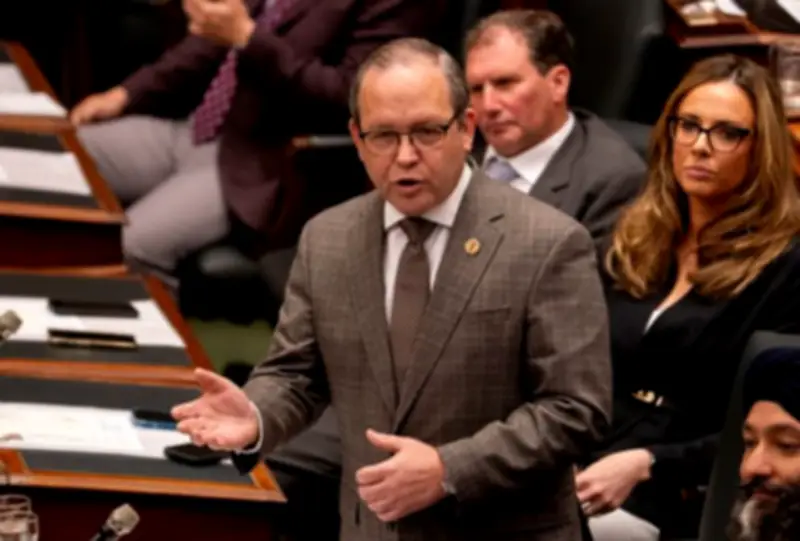
Among the most significant reforms is the creation of reverse onus for certain crimes, such as violent auto theft and human trafficking. Under reverse onus, the burden shifts to the accused to prove why they should be granted bail, rather than the Crown having to argue for detention. Ontario Attorney General Doug Downey praised the change, stating, "It took some courage to translate what we were hearing on the front lines to change the Criminal Code and allow us to do what we need to do to keep criminals behind bars."
The bill also allows courts to impose consecutive sentences for crimes like violent auto theft and extortion, meaning offenders convicted of multiple charges will serve each sentence one after another. Downey noted, "The tools without the rules would not work, so now we have the rules."

Support from law enforcement
OPP Commissioner Thomas Carrique expressed hope that the reforms will prevent further violence. "The changes we will see in Bill C-14, I hope and I pray that if executed as designed, will prevent further violence in our communities, they will protect your police officers, it will protect victims of crime," he said at city hall in Brampton.
Peel Regional Police Deputy Chief Nick Milinovich highlighted the daily impact of repeat violent offenders. "It brings together sentencing for serious crimes like auto theft, extortion, carjacking and home invasions," he said. "Repeat violent offenders will face tougher consequences and it will help place our community first."
Federal and provincial collaboration
Downey congratulated federal Justice Minister Sean Fraser for "shepherding these changes through" and acknowledged the challenges of implementing significant reforms. Brampton North MP Ruby Sahota noted that the act makes it more difficult for "repeat, high-risk accused persons to obtain bail, cracking down on organized crime and providing serious consequences for serious offences."
Bill C-14 is one of three major criminal justice reforms that strengthen protections against hate crimes and sexual predators. The legislation comes into effect on July 15. "This legislation is an important step forward," Milinovich said. "It will help us protect our communities and hold the people who target our communities accountable. Stronger laws mean safer communities."