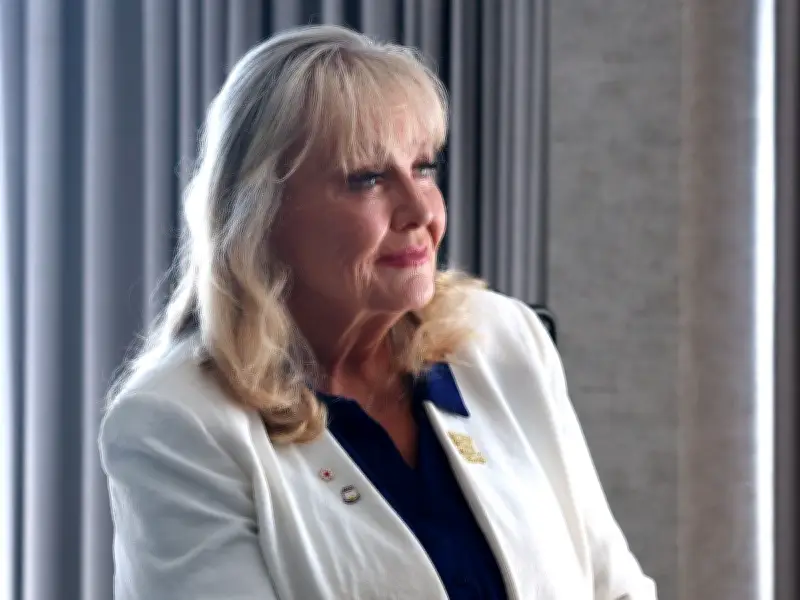
OTTAWA — Newly elected B.C. Conservative Leader Kerry-Lynne Findlay says she would maintain commercial ties with neighbouring Alberta if Albertans vote to leave Canada.
“I would maintain relations, economic relations,” Findlay told National Post when asked how she’d react to a successful Alberta independence vote as premier of B.C.
One of the big questions surrounding Alberta independence is how it would affect the landlocked jurisdiction’s ability to get exports to the Pacific via B.C.

Findlay said Alberta’s future in Canada is a matter of “determination by those in Alberta,” adding that she was wary of “dealing in hypotheticals” about the subject.
“It’s so hard to know. Often things you think might go this way or that way end up going a third way,” said Findlay.
Findlay, known to her supporters as “KLF,” narrowly won the B.C. Conservative leadership vote over the weekend, after running on a populist platform focused on reining in Indigenous land claims and increasing the influence of western provinces within Confederation.
She promised in a fiery victory speech to defend B.C. from the whims of “eastern and global elites.”
Findlay spoke to National Post on Tuesday to discuss her vision for a Western Canada alliance and how she’ll navigate relations with next-door neighbour Alberta amidst uncertainty about its future in Canada.
She said she understood the “frustration behind things like the (Alberta) referendum,” and laid much of the blame at the feet of former prime minister Justin Trudeau and successive B.C. NDP governments for limiting the flow of Alberta oil and gas to new markets overseas.
“(I couldn’t) believe it when… Trudeau said there was no ‘business case’ for developing our (liquified natural gas) when Japan and Germany were asking for it. How can you have a commodity and people wanting to buy it and say there’s no business case? It’s ridiculous,” said Findlay.
Findlay, who campaigned on scrapping the federal oil tanker ban and clearing the way for a northwest coast crude oil pipeline, said that B.C. and the other western provinces have a common interest in growing offshore energy exports.
“I see the whole thing, in my mind, about building these western alliances as well,” said Findlay. “The idea to get resources to market, infrastructure built and double (export) capacity will resonate across B.C., Alberta and Saskatchewan.”
Findlay noted that Canada’s three westernmost provinces are united in frustration over the federal equalization program.
“(We’re) feeling like we’re not being heard, and yet we’re being looked to for equalization payments and relied on to basically fund a lot of what’s relied on back east,” said Findlay.
She added that the region’s underrepresentation in the House of Commons and Senate adds to these frustrations.