B.C.'s highest court has reversed a judge's ruling that ordered the province's largest and oldest cricket league to drop its rule preventing players in a newer league from playing in both. The B.C. Court of Appeal found that the lower court judge had erred by not applying a holistic approach to interpreting the league's purposes.
Background of the dispute
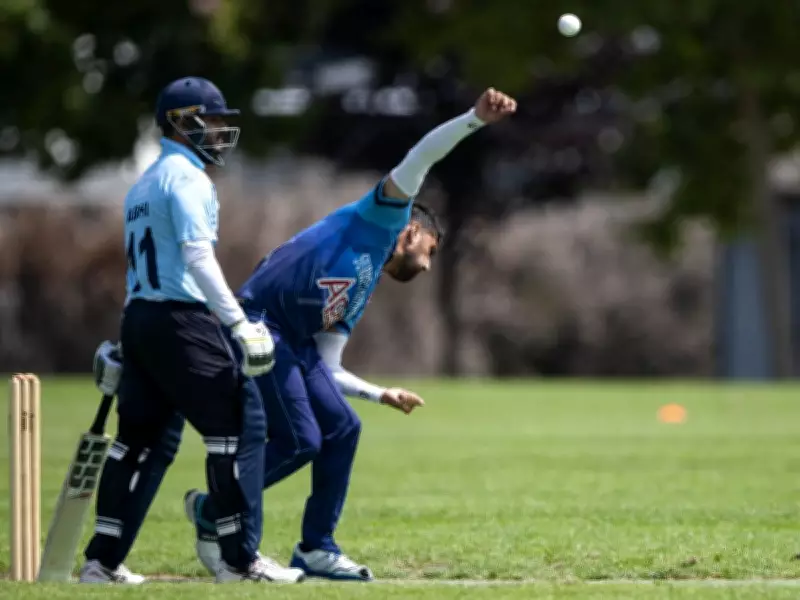
The 122-year-old B.C. Mainland Cricket League, established in 1914, has a rule known as 'Rule 10' that states if any of its members play more than one game in an international league called Last Man Stands, they lose their membership in the older league. Last Man Stands, an amateur league with 260,000 members worldwide, arrived in B.C. five years ago and features shorter games lasting two hours instead of a day or two, along with different rules not recognized by the International Cricket Council.
Lower court decision
B.C. Supreme Court Justice Maegen Giltrow had previously ruled that Rule 10 was inconsistent with the older league's purposes to 'organize, foster, promote, improve, aid, extend and govern the playing of the game in schools and amongst the youth and adults' in B.C. The lower court found the rule did not align with the league's mandate of promoting cricket.

Appeal Court's reasoning
Justice Heather MacNaughton, writing for the three-judge appeal panel, said the lower court too narrowly defined the league's purpose to foster the sport. The appeal court stated that the game of cricket referred to in the older league's constitution is played according to international rules set by the International Cricket Council. MacNaughton noted that a league is entitled to regulate player eligibility and participation, including rules to preserve competitive integrity and to play a certain type of game.
The appeal court emphasized that the lower court judge did not properly refer to the game that conforms only to International Cricket Council rules, instead referring to 'all forms of cricket.' The older league, which has 105 teams, plays by ICC rules, while Last Man Stands follows a different set of rules.
Arguments from both sides
M. Emrul Hasann and Redowan-Ul-Islam Chowdhury, franchise co-owners of Last Man Stands Canada, argued that Rule 10 contravenes the league's own goals of growing the sport. They contended the older league was violating the B.C. Societies Act and its own bylaws and constitution by forcing players to choose one league. Hasann said he brought Last Man Stands to B.C. to provide cricket enthusiasts who lack time or skill for longer weekend games a chance to play, and that Rule 10 stifles cricket's growth, skill development, and player participation.
The Mainland Cricket League maintained that its rule is necessary to preserve the integrity of the traditional game and ensure competitive balance within its own league.
Implications
The appeal court's decision allows the older league to maintain its rule, meaning players must choose between the traditional longer-format cricket and the newer shorter format. This ruling underscores the rights of sports organizations to set eligibility rules to protect their specific brand of the game.