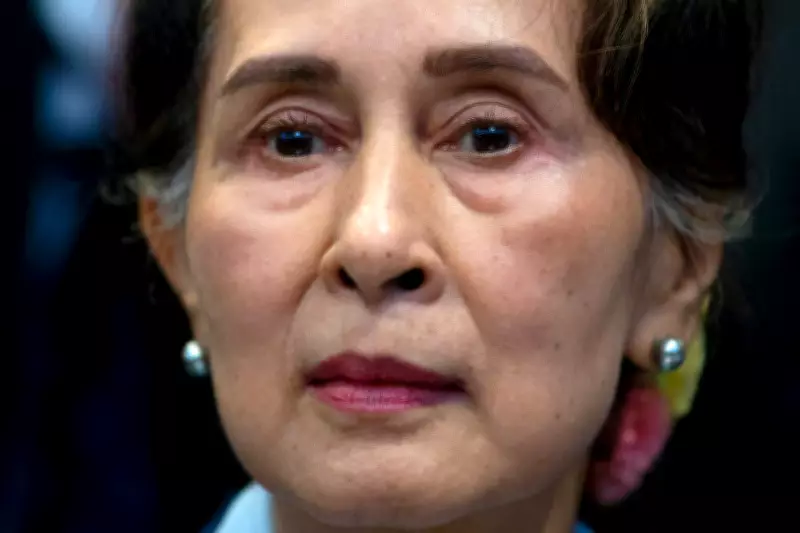
Myanmar's former leader Aung San Suu Kyi has been moved from prison to house arrest, according to sources familiar with the matter. The transition, which occurred earlier this week, marks a significant change in her detention conditions after years of imprisonment following the 2021 military coup.
Background of Detention
Suu Kyi, 80, had been held in a prison in the capital Naypyidaw since her arrest in February 2021. She faced multiple charges, including corruption and incitement, which her supporters and international observers widely condemned as politically motivated. The Nobel Peace Prize laureate had been serving a combined sentence of 33 years, though she denied all allegations.
Reasons for Transfer
Officials have not publicly detailed the reasons for the transfer, but analysts suggest it could be due to health concerns or a gesture by the military government amid international pressure. Suu Kyi has suffered from various health issues in detention, including dental problems and dizziness. Her legal team has repeatedly called for better medical care and conditions.

The move to house arrest is seen as a potential easing of restrictions, though she remains under strict surveillance and is not free to leave her residence. The military junta has not commented on the transfer, and it remains unclear whether this signals any broader change in policy toward political detainees.
International Reaction
Human rights organizations and foreign governments have cautiously welcomed the news but called for her unconditional release. The United Nations and the United States have urged Myanmar to release all political prisoners and restore democratic governance. Suu Kyi's party, the National League for Democracy, was ousted in the coup, leading to widespread protests and a violent crackdown.
Current Situation in Myanmar
Myanmar remains in turmoil, with ongoing conflict between the military and various ethnic armed groups and pro-democracy forces. The economy has deteriorated, and humanitarian conditions have worsened. Suu Kyi's transfer may be an attempt to improve the junta's image, but critics argue it does not address the fundamental issues of democracy and human rights.
As of now, Suu Kyi is reportedly in a government-owned house in Naypyidaw, with limited access to visitors. Her family has not been allowed to see her, and communication with the outside world is restricted. The duration of her house arrest is unknown, and further legal proceedings could alter her status.