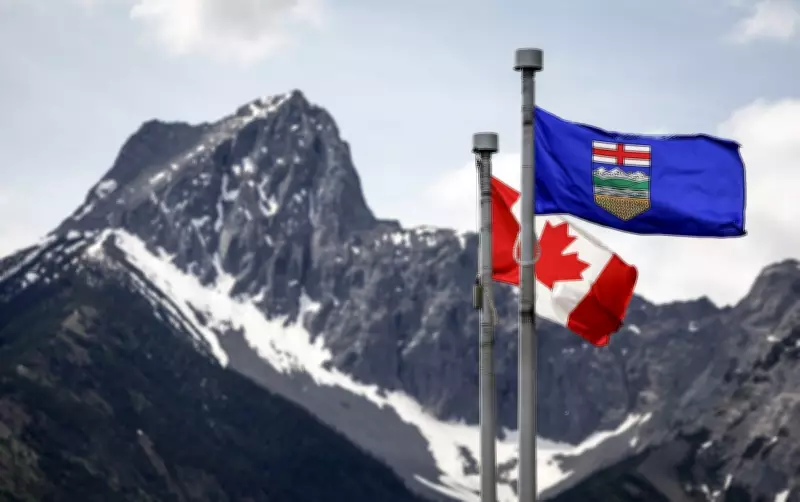
Experts are weighing in on Alberta's separatist movement, describing it as an outlier among global secession efforts. Unlike many independence movements worldwide, which are often rooted in ethnic, linguistic, or historical grievances, Alberta's push for separation is primarily driven by economic and political frustrations, particularly over resource revenue sharing and federal environmental policies.
Unique Characteristics
According to political analysts, Alberta's situation differs from other secessionist movements because it does not involve a distinct cultural or linguistic identity. Instead, the movement is fueled by a sense of 'Western alienation' and a belief that the province contributes disproportionately to Canada's economy without receiving fair benefits. This makes it more comparable to wealthy regions in other federations, such as Catalonia in Spain or Flanders in Belgium, rather than independence movements in places like Scotland or Quebec.
Economic Factors
The province's reliance on oil and gas revenues plays a significant role. Alberta has often clashed with the federal government over climate policies and pipeline projects, which separatists argue harm the province's economy. However, experts note that Alberta's economic interdependence with the rest of Canada, particularly through trade and labor mobility, makes full independence economically challenging.

Political Context
Recent polls show fluctuating support for separation, with some surveys indicating that about one-quarter of Albertans would support leaving Canada under certain conditions. Yet, experts caution that this support is often 'soft' and tied to specific grievances rather than a deep-seated desire for nationhood. The movement also lacks a clear political vehicle, with the separatist party failing to win seats in recent elections.
Global Perspective
Comparing Alberta to other secessionist movements worldwide, researchers highlight that most successful or ongoing efforts, such as in South Sudan or Bangladesh, involve historical oppression or ethnic conflict. Alberta's case, by contrast, is driven by economic disparity and political frustration within a stable democracy. This makes it an outlier that does not fit typical models of secession.
As the debate continues, experts emphasize that any move toward separation would face significant legal, constitutional, and economic hurdles, making it unlikely in the near term.