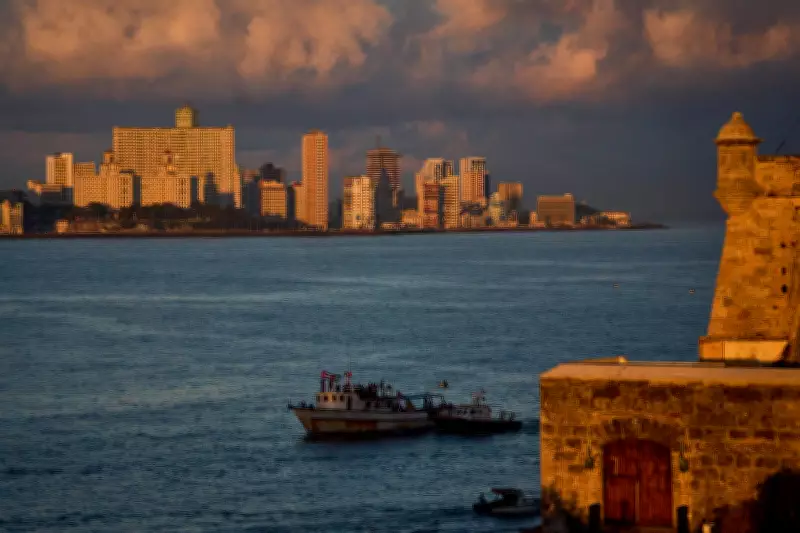
In a significant development highlighting Cuba's ongoing struggles, a humanitarian aid vessel named Maguro has arrived in Havana Bay, bringing much-needed supplies from Mexico. This delivery is part of the "Nuestra America" or "Our America Convoy," a coordinated effort to provide support to the island nation as it grapples with deepening economic and energy crises.
Arrival Amidst Growing Challenges
The Maguro's arrival on Tuesday, March 24, 2026, was marked by activists waving Cuban and Palestinian flags from the deck, symbolizing solidarity and international cooperation. The vessel's journey from Mexico underscores the critical need for external assistance as Cuba's domestic situation continues to deteriorate. Economic hardships, compounded by energy shortages, have created a precarious environment for many Cubans, making such humanitarian missions increasingly vital.
Context of the Crisis
Cuba's economic woes are multifaceted, stemming from factors such as trade restrictions, internal policy challenges, and global market fluctuations. The energy crisis has exacerbated these issues, leading to frequent blackouts and disruptions in daily life. This has strained healthcare, education, and other essential services, prompting calls for urgent action from both local authorities and the international community.

The "Our America Convoy" initiative represents a grassroots response to these challenges, organized by activists and supporters across the Americas. By delivering aid directly to Havana, the convoy aims to bypass bureaucratic hurdles and ensure that resources reach those most in need. The Maguro's cargo, though specifics were not detailed in the initial report, is expected to include food, medical supplies, and other essentials to alleviate some of the immediate pressures faced by Cuban citizens.
International Reactions and Implications
The arrival of the aid vessel has drawn attention to Cuba's plight on the global stage. While some view it as a positive step in fostering regional solidarity, others see it as a stark reminder of the island's dependence on external support amid systemic issues. The involvement of activists from various backgrounds, including those waving Palestinian flags, highlights the interconnected nature of humanitarian causes worldwide.
As Cuba navigates these crises, the success of aid deliveries like this one could influence future efforts to address similar situations in other parts of Latin America and beyond. However, experts caution that long-term solutions will require more than just humanitarian aid; structural reforms and international cooperation will be essential to stabilize Cuba's economy and energy sector.
In summary, the Maguro's docking in Havana serves as a poignant symbol of hope and resilience in the face of adversity. As activists continue their work, the world watches closely, recognizing that Cuba's struggles are a microcosm of broader challenges in an increasingly interconnected global community.