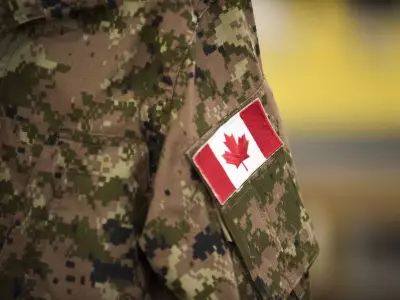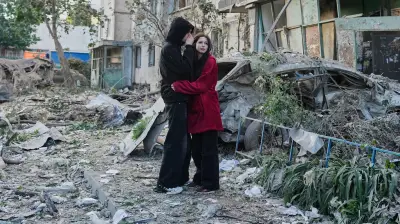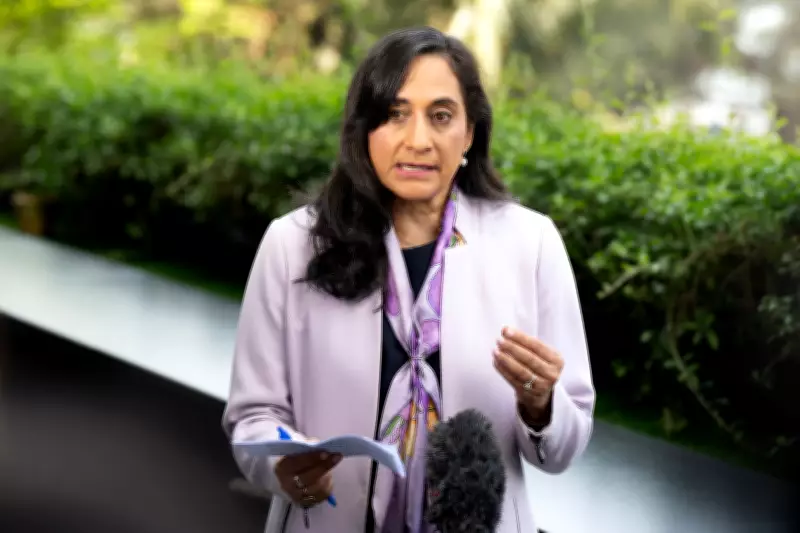
Global Affairs Canada has confirmed that more than 85,000 Canadian citizens and permanent residents are currently located in the Middle East, a region experiencing escalating military hostilities centered on Iran. This disclosure comes as the United States intensifies its offensive operations, described by former President Donald Trump as "annihilating" the Iranian Navy and dismantling missile capabilities, while Iran-backed militant groups retaliate with attacks on U.S. bases and allied Arab states.
Escalating Regional Conflict and Canadian Presence
The situation in the Middle East is rapidly deteriorating, with hostilities expanding on multiple fronts. Hezbollah has launched strikes against Israel, signaling a broadening of the conflict that now involves various state and non-state actors. David Fraser, a security analyst, noted that Hezbollah's actions "indicate how widening this conflict is getting," raising concerns about regional stability and the safety of foreign nationals.
Canada, while urging a diplomatic resolution to the crisis, has not explicitly stated whether it views the U.S. military strikes as illegal under international law. The large Canadian diaspora in the region—comprising over 85,000 individuals—highlights the potential humanitarian and consular challenges facing the government. These citizens and residents are spread across countries that may be directly or indirectly affected by the spreading violence.

Economic and Strategic Implications
The latest flare-up in the Middle East is already impacting global markets, driving crude oil and fuel prices higher due to supply concerns. This economic ripple effect underscores the interconnectedness of regional conflicts with worldwide energy security and financial stability.
In related developments, the conflict has spurred cyber activities, with hackers targeting Iranian apps and websites following the U.S.-Israeli strikes. Meanwhile, Canada's focus on critical minerals, highlighted at a major Toronto mining conference, may intersect with geopolitical tensions, as resource competition often intensifies during periods of international instability.
Consular Preparedness and Diplomatic Stance
With such a significant number of Canadians in harm's way, Global Affairs Canada is likely enhancing its consular services and emergency response protocols. The department has not detailed specific evacuation plans but is monitoring the situation closely. The Canadian government's call for diplomacy reflects a cautious approach, avoiding overt alignment with military actions while prioritizing the safety of its citizens abroad.
Experts like Ham have expressed uncertainty about the U.S. exit strategy, remarking, "It's unclear where or how the U.S. will exit," suggesting that the conflict could prolong, further endangering civilians in the region. This ambiguity complicates risk assessments for countries with substantial expatriate populations, including Canada.
Broader Context and Regional Dynamics
The Iran conflict is not occurring in isolation; it intersects with other Middle Eastern tensions, such as the ongoing Israel-Hezbollah exchanges and attacks on Arab states. These multifaceted hostilities create a volatile environment where diplomatic solutions are increasingly urgent yet elusive.
As the war widens, the Canadian government faces pressure to balance its diplomatic principles with practical measures to protect its citizens. The presence of over 85,000 Canadians and permanent residents in the Middle East adds a layer of complexity to foreign policy decisions, emphasizing the human dimension of international crises.