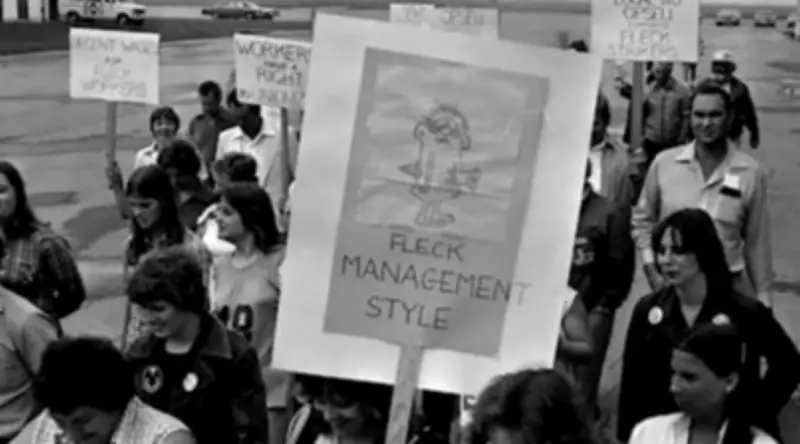
A groundbreaking new play at the Blyth Festival is set to shine a spotlight on the historic 1978 Fleck Manufacturing Strike, a pivotal moment in Canadian labour history. The strike, which took place in Centralia, Ontario, was a landmark event that led to significant changes in the country's labour laws.
The Fleck Strike: A Turning Point for Workers' Rights
The 1978 Fleck Manufacturing Strike is remembered as a precedent-setting labour action that empowered workers and reshaped the legal landscape for labour relations in Canada. The strike involved employees at the Fleck Manufacturing plant, who walked off the job to demand better working conditions, fair wages, and recognition of their union. Their efforts not only secured improvements for themselves but also set a legal precedent that influenced labour laws nationwide.
Bringing History to the Stage
The Blyth Festival, known for its commitment to Canadian stories, has chosen to open its season with a play that dramatizes the events of the Fleck Strike. The production aims to educate audiences about this important chapter in Canadian history while honoring the courage and determination of the workers who stood up for their rights.

According to the festival's artistic team, the play is the result of extensive research, including interviews with former strikers and archival materials from Western University. The script weaves together personal narratives and historical facts to create a compelling theatrical experience.
A Legacy That Endures
The impact of the Fleck Strike extends far beyond the factory gates. The legal changes that followed helped to establish stronger protections for workers across Canada, including provisions for collective bargaining and anti-discrimination measures. The strike also highlighted the role of women in the labor movement, as many of the striking workers were women fighting for gender equality in the workplace.
As the Blyth Festival prepares to debut this important work, audiences are reminded of the power of collective action and the ongoing struggle for workers' rights. The play promises to be both an educational tool and a source of inspiration for contemporary audiences.