A recent memorandum of understanding between Canada's Food Inspection Agency and China's customs authority aims to enhance cooperation on food safety and animal and plant health. Signed in January, the pact is part of Prime Minister Mark Carney's broader strategy to reset bilateral relations and facilitate smoother trade. On paper, the agreement establishes technical working groups, information-sharing protocols, and biennial meetings. However, critics argue that it asks Canadian consumers and regulators to place trust in a food system with a well-documented history of repeated, sometimes lethal, failures.
China's food safety record raises red flags
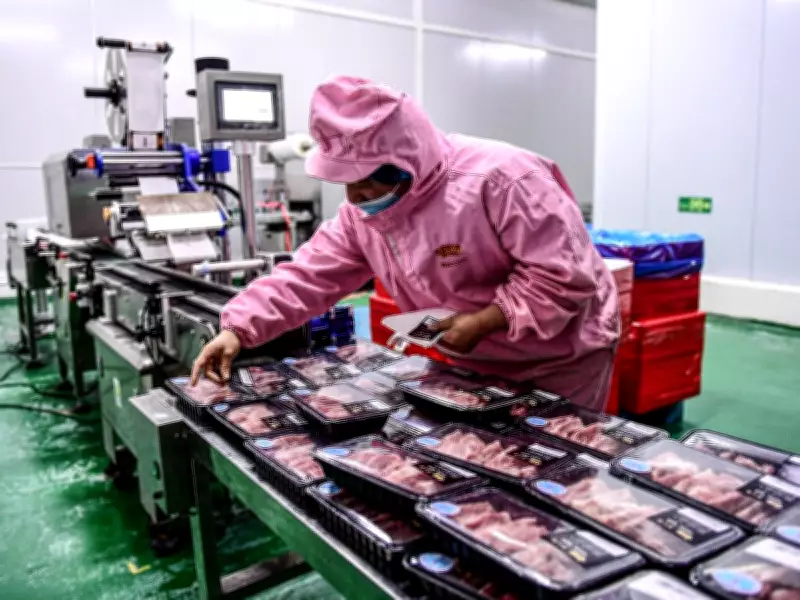
China's food-related problems are neither ancient history nor isolated incidents. An estimated one in ten meals consumed in the country is cooked with "gutter oil" recycled from restaurant waste and sewers. Cats are reportedly picked up from the streets and sold as pork or mutton for skewers and sausage stuffing. Cadmium-contaminated rice from polluted regions like Hunan is common, and weight-loss supplements marketed as "natural" have contained undeclared sibutramine, a banned drug linked to heart risks.
The 2008 melamine scandal in infant formula killed at least six babies and sickened hundreds of thousands, with officials delaying warnings to protect the Beijing Olympics' image. In 2014, expired and spoiled meat from a Shanghai supplier reached major fast-food chains across Asia. In 2024, major grain and oil firms were exposed for using uncleaned fuel tankers to transport edible oils, a cost-cutting practice that had become routine. More recently, over 200 children were hospitalized after eating lead-tainted food in a northwest China kindergarten. Just last month, authorities found vendors using kidney- and liver-damaging sedatives in fish transport tanks to keep fish from losing scales, then telling customers the motionless fish were merely "sleeping."

Systemic governance failures
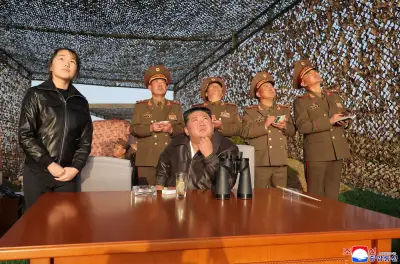
China's government claims its food is beyond reproach, pointing to its Food Safety Law, enacted in 2009 and strengthened in 2015, and President Xi Jinping's "Four Strictest" requirements: precise standards, strict administration, harsh accountability, and grave punishment. On paper, penalties include large fines, punitive damages, criminal charges, and even execution. However, corruption remains pervasive. The Communist Party and those favoured by it freely disregard the legal system. Enforcement is selective, driven more by political loyalty, GDP targets, and social stability than consistent consumer protection. Coverups are often shielded, and producers can re-brand and relocate when necessary. High-profile crackdowns can appear performative. Without an independent judiciary and constraints on Party power, food safety is not just a technical issue but a systemic governance failure. Incentives to cut corners for profit under competitive and political pressure endure.
The tegong system and privileged access
Those in privileged positions have for decades avoided the foods most Chinese are resigned to eat. Since the 1960s, Communist Party officials have sourced high-quality, uncontaminated, carefully tested "special provision" foods through the tegong system of secret farms. Private companies also provide safe food for their employees as perks. Foxconn, for example, runs its own tested, traceable farms to avoid pesticides, heavy metals, parasites, and other contaminants in their company canteens. This two-tier system underscores the lack of universal food safety standards and raises questions about the reliability of China's food exports.
If a Canadian factory sources additives or raw materials through the same opaque Chinese supply networks that produced gutter oil or melamine milk, Canadian consumers will ultimately eat the risk. The memorandum of understanding may look promising on paper, but without fundamental reforms in China's governance and enforcement, it could prove to be a killer of a deal for Canadian consumers.