Local Leaders Voice Concerns Over Ontario's Conservation Authority Consolidation Plan
Municipal leaders across Ontario are raising significant questions about the provincial government's recently announced plan to amalgamate 36 conservation authorities into just nine regional entities. The proposed consolidation, which would dramatically reshape environmental governance in the province, has sparked immediate concerns about whether the new structure will maintain adequate understanding of local watershed conditions and community needs.
Preserving Local Watershed Knowledge
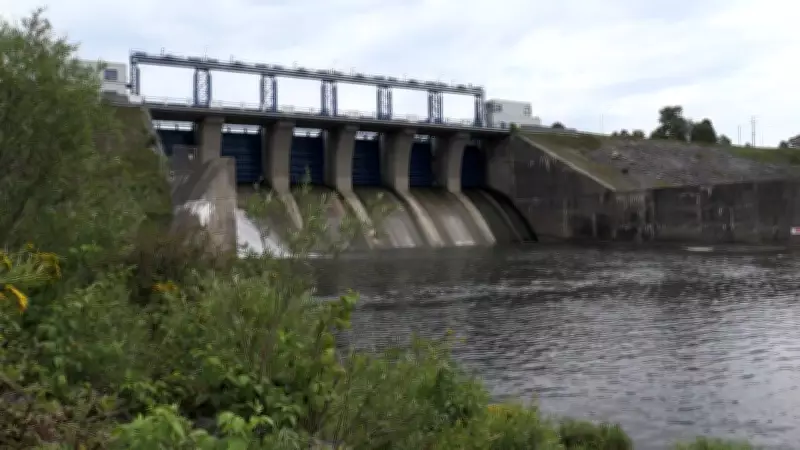
"Will they actually know what is happening in our watershed?" asked one municipal official, capturing the central concern shared by many local leaders. Conservation authorities have historically operated with deep, place-specific knowledge of their respective watersheds, monitoring everything from flood risks to ecological health. The fear is that larger, consolidated authorities might lose this granular understanding, potentially compromising effective environmental management.
These organizations currently manage critical functions including flood forecasting, water quality monitoring, natural heritage protection, and land stewardship across their jurisdictions. Their work directly impacts municipal planning decisions, development approvals, and emergency response protocols.

Provincial Rationale and Local Skepticism
While the provincial government has framed the consolidation as an efficiency measure that could reduce administrative duplication and streamline operations, local leaders remain skeptical. Many point to the unique characteristics of Ontario's diverse watersheds, arguing that a one-size-fits-all approach could overlook important regional variations in geology, hydrology, and ecological systems.
"These aren't just administrative units," noted another municipal representative. "They're organizations built on decades of accumulated knowledge about specific landscapes. You can't simply merge them without potentially losing that institutional memory."
Potential Impacts on Municipal Operations
The proposed changes could have far-reaching implications for municipal governments that rely on conservation authority expertise for:
- Development review processes
- Floodplain mapping and management
- Natural heritage system planning
- Environmental assessment support
- Public education and outreach programs
Some municipal officials have expressed concern that the consolidation might create additional bureaucratic layers between local communities and decision-makers, potentially slowing response times during environmental emergencies like flooding or pollution incidents.
Looking Ahead: Consultation and Implementation
As the province moves forward with its consolidation plan, local leaders are calling for meaningful consultation that addresses their specific concerns. Many emphasize the need for transition mechanisms that preserve local knowledge and ensure continued effective watershed management during the restructuring process.
The debate highlights ongoing tensions between provincial efficiency goals and local governance priorities in environmental management. With climate change increasing pressure on watershed systems through more frequent extreme weather events, the stakes for getting this restructuring right are particularly high.
Municipal representatives across Ontario continue to monitor developments closely, advocating for conservation authority structures that balance administrative efficiency with the specialized local knowledge essential for effective watershed stewardship in communities throughout the province.