

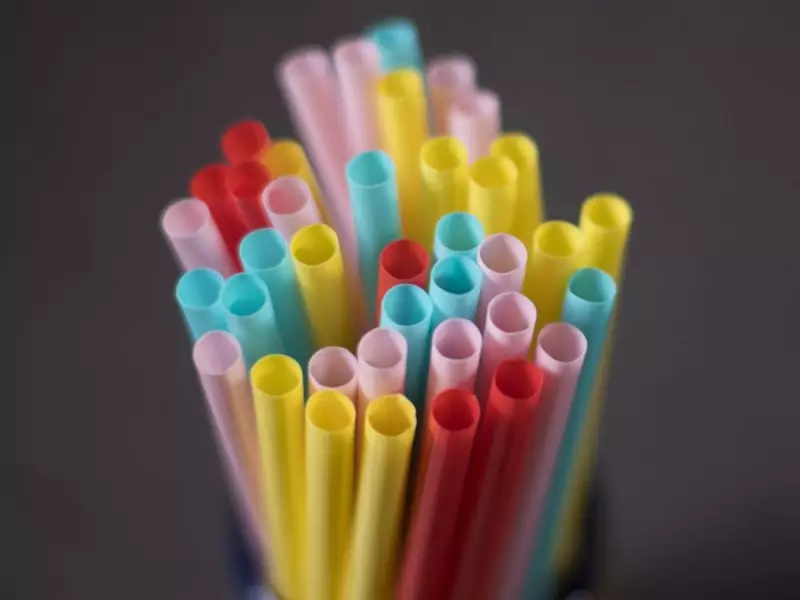
The federal Liberal government has quietly acknowledged that a key component of its single-use plastics ban is a costly failure that damages Canadian industry while doing little for the global environment. This admission is buried within a new regulatory proposal to cancel the recently enacted ban on exporting plastic items like straws, cutlery, and bags.
A Quiet Reversal Buried in Draft Regulations
On December 20, 2025, the government published a draft amendment to the federal plastics regulations. This proposal seeks to revoke the ban on exporting prohibited single-use plastics, which took effect earlier this month. The draft is open for public comment until February 28, 2025, and is expected to become law shortly after.
The document states the export ban "will not fulfil an environmental objective commensurate to its economic impact." It concedes the policy would certainly harm Canadian companies by shifting their business to international competitors, without altering global plastic pollution levels.

The Flawed Logic and Broader Implications
The government's analysis is stark. It admits that if the export ban remains, foreign markets would simply source equivalent plastic goods from other suppliers domestically or abroad. Canadian businesses would lose out, but worldwide consumption patterns—and thus plastic waste—would not change.
This rationale critically undermines a central pillar of the government's environmental and economic strategy. As noted by columnist Jamie Sarkonak, the same logic applies to sectors like oil and gas: restricting Canadian market access does not reduce global demand, but merely redirects it to other, often less environmentally stringent, producers. The commentary points to Europe's energy dependency on Russia as a cautionary tale of such policies.
A Long Road to a Failed Policy
The Liberal government's crusade against plastic waste began in 2018. It escalated in 2019 with talks of bans, and in 2021, plastic was controversially added to the List of Toxic Substances under the Canadian Environmental Protection Act to grant Ottawa jurisdiction.
A multi-phase ban was announced in 2022 by then-Environment Minister Steven Guilbeault. The manufacture and import of targeted items were prohibited first, followed by a ban on their sale within Canada in 2023. The final phase, banning exports (along with manufacturing for export), was implemented at the end of 2025—a measure now slated for repeal.
The entire regulatory scheme has faced legal challenges. In 2023, the Federal Court ruled that designating plastic as toxic was unconstitutional. The ban remains in effect pending an appeal, but the court could still strike down the entire framework.
Damage Already Done
While the Liberals signalled a pullback on the export ban in October 2025, the draft regulations serve as an official admission that the policy was misguided. The proposal confirms that, even if the courts ultimately overturn the ban, significant economic harm to Canadian plastic manufacturers has already occurred due to years of regulatory uncertainty and the earlier phases of the prohibition.
The move to cancel the export ban represents a significant policy retreat. It highlights the complex balance between environmental ambition and economic reality, acknowledging that unilateral Canadian restrictions cannot solve a global waste problem if they simply offshore both jobs and pollution.






