

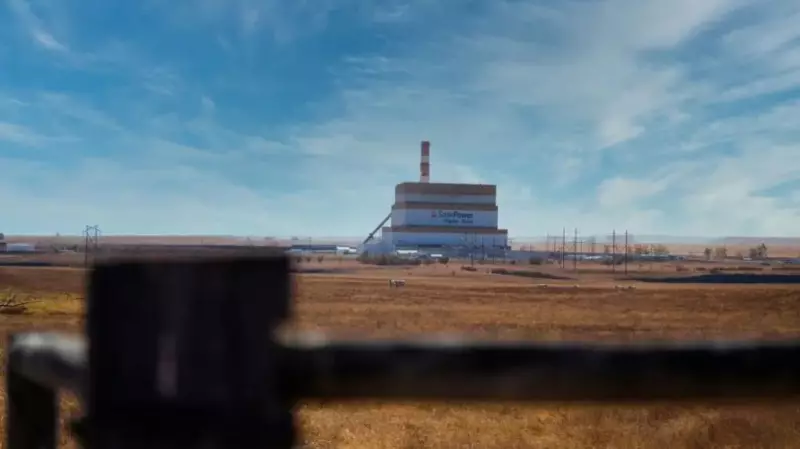
A legal bid by environmental organizations to force an earlier shutdown of coal-fired power plants in Saskatchewan has been dismissed by the province's court. The ruling, delivered on January 15, 2026, upholds the current provincial plan, which allows coal power generation to continue until 2030.
Court Upholds Provincial Timeline
The lawsuit sought to challenge the Saskatchewan government's policy on coal phase-out, arguing for a more accelerated timeline to align with federal climate goals and reduce greenhouse gas emissions. However, the court found no legal basis to compel the government to move the shutdown date earlier than the established 2030 deadline. This decision represents a significant setback for the coalition of environmental groups that launched the challenge.
Environmental Reaction and Disappointment
Representatives from the involved environmental organizations have publicly expressed their disappointment with the court's decision. They argue that extending coal operations to 2030 contradicts Canada's broader commitments to fighting climate change and transitioning to a cleaner energy grid. The groups had hoped the legal action would push for a faster transition to renewable energy sources within the province.

The ruling effectively maintains the status quo for Saskatchewan's energy sector, which has relied on coal for a substantial portion of its electricity generation. The provincial government has consistently defended its 2030 timeline as a balanced approach that considers both environmental responsibilities and economic stability, including the livelihoods of workers in the coal industry.
Implications for Saskatchewan's Energy Future
With this legal avenue now closed, the focus shifts entirely to the provincial government's execution of its existing energy transition plan. This plan involves a gradual shift from coal to natural gas and increased investment in renewables like wind, solar, and potentially nuclear power through small modular reactor (SMR) projects.
The dismissal of the challenge underscores the complex legal and political landscape surrounding energy policy in Canada, where provincial jurisdiction over natural resources often clashes with federal environmental ambitions. For now, Saskatchewan's coal-fired power plants are set to continue operating until their scheduled retirement at the end of this decade.






