A major review of British Columbia's cornerstone climate strategy, CleanBC, has delivered a final report with a contradictory mix of forward-thinking proposals and significant steps backward, according to analysis by environmental advocates.
Praise for Home Heating and Transit Proposals
The six-month review, which concluded in late November 2025, includes several recommendations that have won approval from climate and health experts. A central positive is the push to expand programs for clean home heating and cooling, specifically highlighting the critical role of heat pumps. Heat pumps are noted for being far more energy-efficient than traditional gas furnaces, offering dual benefits of lower household energy bills and reduced climate pollution.
The report also advocates for reducing hydroelectricity rates for lower-income families, a move seen as vital for energy affordability. Furthermore, it calls for a substantial increase in funding for active transportation and public transit, acknowledging that current provincial budgets are inadequate. Such investments are recognized for their significant public health and cost-of-living advantages.

Another welcomed suggestion is the report's endorsement of a Youth Climate Corps (YCC). With the federal government establishing a YCC as a public jobs program in April 2026, the review recommends that the B.C. government cost-match the initiative. This partnership would enable more young British Columbians to embark on careers in the green economy.
LNG Expansion: Acknowledged Risks, Lack of Action
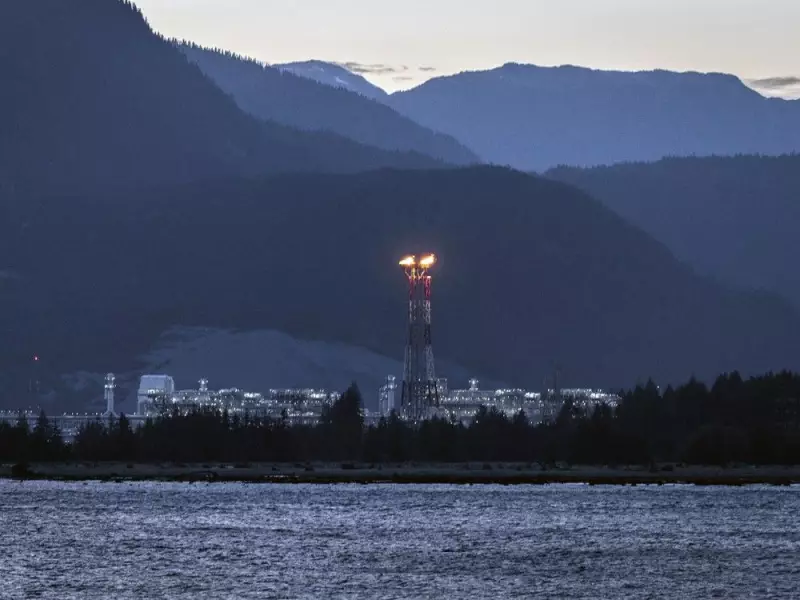
The review's treatment of liquefied natural gas (LNG) development has drawn sharp criticism for its inconsistency. It meticulously outlines the profound risks associated with further LNG expansion in the province.
These risks include the "staggering" demand for clean electricity needed to electrify LNG facilities, volatile global gas prices, and the economic dangers of entering a competitive international market with an uncertain future demand for B.C.'s product. The report also warns of potential conflicts with First Nations Rights and Title Holders—conflicts already moving into the courts—along with health impacts on communities near fracking sites and the commitment of billions in taxpayer dollars for questionable job and economic returns.
Despite this comprehensive list of drawbacks, the review stops short of recommending what many experts and advocates see as the necessary step: an immediate halt to LNG expansion projects.
Weakening of Ambitious Transportation Targets
Perhaps the most notable retreat identified in the review is the weakening of previously legislated targets for zero-emission vehicles (ZEVs). The report argues that emission reduction goals deemed "unrealistic" can backfire, leading to rollbacks or inaction.
Acting on this premise, it recommends slashing the 2030 target for electric vehicle adoption to a range of 50 to 60 per cent, a dramatic reduction from the previous goal of 90 per cent. Even more consequentially, the review proposes completely removing the legislated ban on the sale of new gas-powered vehicles set for 2035.
This represents a stark reversal for B.C., which was the first jurisdiction globally to legislate a target of 100 per cent ZEV sales by 2035. Critics argue these "recalibrations" undermine the province's historic leadership on clean transportation policy.
In summary, while the CleanBC review offers actionable ideas on heat pumps, transit, and youth employment, its failure to confront the LNG industry and its dilution of critical EV mandates reveal a lack of the emergency-level ambition required to meet the province's climate commitments.