Recent political turbulence in Alberta has cast doubt on the effectiveness of voter recall mechanisms, yet developments in Ottawa serve as a powerful reminder of why this democratic tool retains significant value. Despite all recall petitions targeting United Conservative Party politicians failing to gain traction, the broader conversation about political accountability continues to evolve.
The Current Political Landscape in Alberta
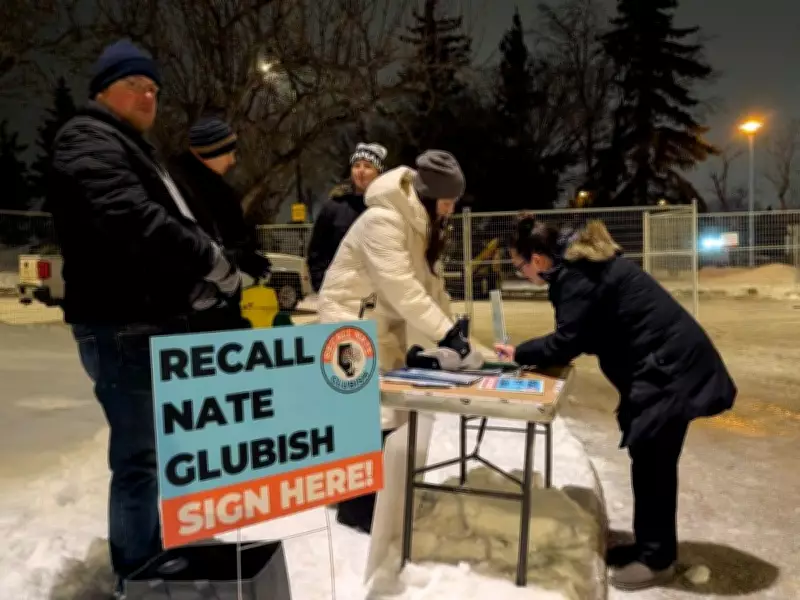
A recent Leger poll reveals the UCP maintaining a substantial 17-point lead over the Opposition NDP, creating favorable political winds for the governing party. The wave of recall campaigns designed to challenge UCP authority has completely dissipated, with only two active petitions remaining—one targeting Progressive Tory Party leader Peter Guthrie and another aimed at New Democrat MLA Marie Renaud.
All petition campaigns launched against two dozen UCP Members of the Legislative Assembly have officially failed, potentially undermining public confidence in the recall process itself. Some observers question whether the organizers behind these campaigns were genuinely committed to direct democracy principles or merely seeking political retribution.

Legislative Context and Implementation Challenges
When these recall petitions initially emerged, government officials expressed concerns about potential "abuse" of the process and whether participants were honoring the "spirit of the law." This position appeared contradictory given that the same government designed, implemented, and subsequently lowered the threshold for Alberta's recall legislation.
While the technical requirements for recalling elected officials have become less stringent, the practical reality demonstrates that successful implementation remains exceptionally challenging. The political circus surrounding Alberta's recall legislation may complicate efforts to adopt similar mechanisms at the federal level.
Ottawa's Floor-Crossing Debate
Meanwhile in Ottawa, recent political defections have reignited discussions about the ethics of party-hopping and whether mechanisms should exist to limit or prohibit this practice. Alberta's voter recall legislation, despite its imperfections, offers one potential solution to this democratic dilemma.
The political firestorm that followed the mass floor-crossing of 2014 continues to influence Alberta politics, creating a chilling effect on such defections. The significant ideological divide between the province's two main political parties further discourages party-switching.
Finding Middle Ground on Democratic Accountability
If voter recall mechanisms are intended to address "exceptional circumstances" rather than mere policy disagreements, then party defections reasonably qualify for such scrutiny. An outright ban on floor-crossing would represent excessive government intervention, but requiring a byelection in each instance could serve as sufficient deterrent while preserving democratic principles.
Recent political defectors have made claims about consulting constituents regarding their decisions—assertions that remain largely untestable. Voter recall provides a potential mechanism to validate these claims through direct democratic action, allowing constituents to formally express their approval or disapproval of such political maneuvers.
The intersection of Alberta's recall experiences and Ottawa's floor-crossing debates creates an opportunity to develop consensus around balanced accountability measures. While the practical implementation of voter recall has proven challenging, its theoretical value as a democratic safeguard remains intact, particularly as political landscapes continue to evolve across Canada.