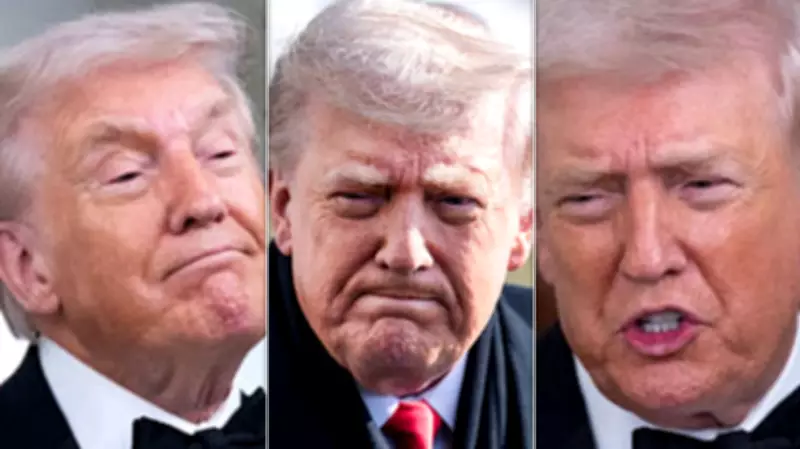
Former President Donald Trump engaged in a striking display of damage control this weekend, attempting to distance himself from a significant Republican defeat in a Texas state Senate race. The incident highlights ongoing tensions within the GOP and Trump's selective engagement with electoral outcomes that do not favor his allies.
A Complete Reversal on Social Media
On Saturday, Trump took to his Truth Social platform to vigorously promote Republican candidate Leigh Wambsganss, describing her as a "phenomenal Candidate" who had received his "Complete and Total Endorsement." This enthusiastic support was part of a broader effort to maintain Republican control in a district that has traditionally leaned conservative.
Democratic Victory Flips the Script
Despite Trump's backing, Democrat Taylor Rehmet emerged victorious in the special election, successfully flipping the seat. This win continues a pattern of Democratic momentum in various elections since the beginning of Trump's second term, signaling potential shifts in the political landscape of traditionally red areas.

The district in question had previously supported Trump by a substantial 17-point margin, making the loss particularly noteworthy and potentially embarrassing for the former president's political influence.
Trump's Remarkable Denial
When questioned about the election outcome on Sunday, Trump presented a startling contrast to his earlier statements. He claimed near-total ignorance of the results, stating, "I didn't hear about. Someone ran ― where? ... I'm not involved in that. That's a local Texas race."
This attempt at indifferent nonchalance stands in direct opposition to his very public endorsement just days earlier. Political observers noted the inconsistency, with many viewing it as a transparent effort to avoid association with an electoral setback.
The Full Exchange Reveals Contradiction
The complete interaction, captured by journalist Aaron Rupar, shows Trump being asked specifically about the Texas race where a Democrat won in an area he had carried by 17 points. His response was unequivocal in its disavowal of knowledge or involvement.
This episode raises questions about Trump's approach to political accountability and how he manages public perception following unfavorable electoral developments. The contradiction between his vigorous online support and subsequent denial of awareness suggests a calculated political strategy rather than genuine unawareness.
As the Republican Party continues to navigate its relationship with the former president, incidents like this Texas election response may influence how candidates weigh the value of Trump's endorsement against potential risks of association with electoral losses.