In a significant display of political activism, university students in Serbia have taken to the streets, spearheading a campaign for early parliamentary elections they hope will remove President Aleksandar Vucic from power. The protests, centered in the capital of Belgrade, mark a renewed push for political change in the Balkan nation.
Signature Drive for Democratic Change
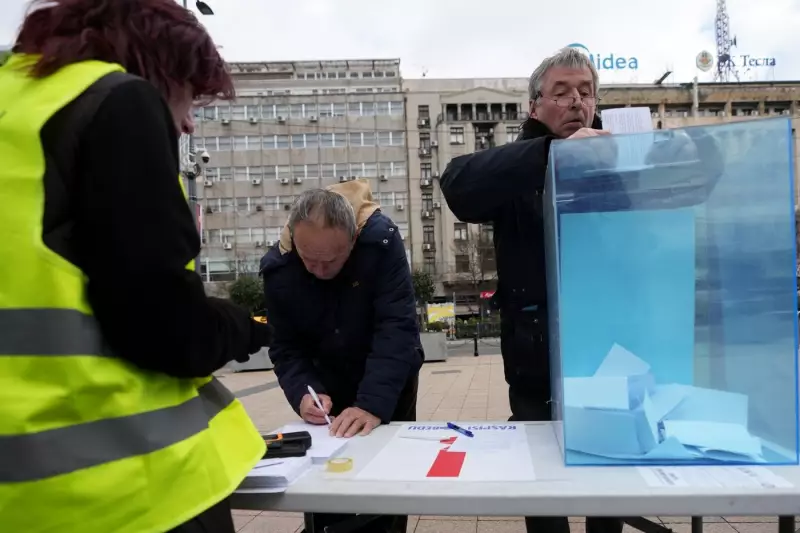
On Sunday, December 28, 2025, protesting students were documented collecting signatures for their formal request to trigger an early vote. The movement, captured in images from Belgrade, represents a coordinated effort by the youth to challenge the current political establishment. The students argue that fresh elections are necessary to address longstanding grievances and chart a new course for the country's future.
The Political Context and Demands
The protests are not occurring in a vacuum. They are a manifestation of growing discontent with the administration of President Aleksandar Vucic and his ruling Serbian Progressive Party. Protesters and opposition groups have frequently accused the government of eroding democratic norms, stifling media freedom, and failing to tackle systemic corruption. The student-led initiative aims to capitalize on this public frustration, using a signature drive as a legal mechanism to pressure authorities into calling an election ahead of the scheduled date.

While the original Associated Press report did not specify the exact number of signatures gathered or the legal threshold required, the act itself is a powerful symbolic and organizational tool. It demonstrates a move beyond sporadic demonstrations towards a structured campaign with a clear, constitutional objective.
Implications for Serbia's Future
The outcome of this push for early elections remains uncertain. The success of such initiatives often depends on the ability to mobilize widespread public support and navigate the complex legal and political landscape. However, the very fact that students are at the forefront of this movement signals a potent shift. It highlights a generation politically engaged and willing to directly confront the status quo.
This development in Serbia is being closely watched internationally, as the country balances its European Union membership aspirations with its foreign policy relationships. A potential political shift could have significant ramifications for the region's stability. For now, the students in Belgrade have made their goal clear: to use the democratic process to seek a change in leadership and direction for Serbia.