Former North Carolina Lt. Gov. Mark Robinson Admits to Misleading Public to Shield Trump's 2024 Campaign
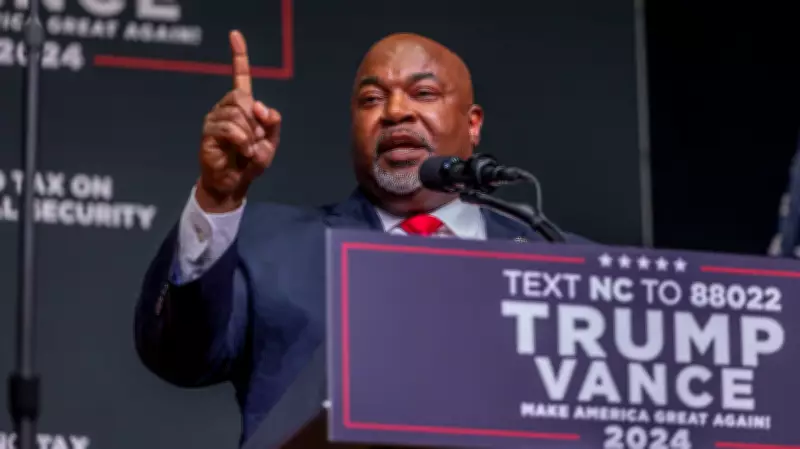
In a candid podcast appearance, former North Carolina Lieutenant Governor Mark Robinson has acknowledged that he did not provide the full truth regarding disturbing comments he made on a pornographic website, including referring to himself as a "black Nazi." Robinson stated that he distorted facts to protect President Donald Trump's 2024 presidential campaign, emphasizing the high stakes involved.
Robinson's Controversial Online History and Denials
Robinson faced significant scrutiny in the lead-up to his 2024 gubernatorial campaign after CNN reported that, under an alias in the 2000s, he posted inflammatory remarks on a porn site, such as declaring, "I'm a black NAZI!" The report also highlighted his history of anti-transgender comments while claiming he enjoyed transgender porn. Initially, Robinson denied these allegations and even filed a lawsuit against CNN, which he later dropped without resolution.
Motivation to Protect Trump's Endorsement
During the "After the Call" podcast with pastor Josh Hall, Robinson explained his rationale for not being entirely truthful. He noted that Trump, who had endorsed him as "Martin Luther King on steroids," was a close friend, and Robinson felt compelled to safeguard the campaign. "I realized how important it was for President Trump to win that race, and I knew that not only was I in the fight for my life, but the country literally was in the fight for its life," Robinson said, underscoring the perceived urgency of the political moment.

Personal Struggles and Ethical Dilemmas
Robinson further revealed that he has grappled with an "obsession" with pornography and sex, which he believes influenced his actions. He told Hall that, at the time, he thought the right course was to "ignore the truth" to protect those around him, including Trump and other candidates. "We can deal with this on the back end, but I certainly don't want to be the person that cost the President of the United States the election. Didn't want to cost anyone else their election," Robinson admitted, acknowledging potential criticism but asserting he aimed to keep the focus on his gubernatorial race.
Broader Implications for Political Accountability
This admission raises questions about transparency and ethics in political campaigns, particularly as Robinson navigated a high-profile endorsement from Trump. The incident highlights the pressures candidates face when balancing personal history with electoral strategies, and it may impact public trust in political figures moving forward.