

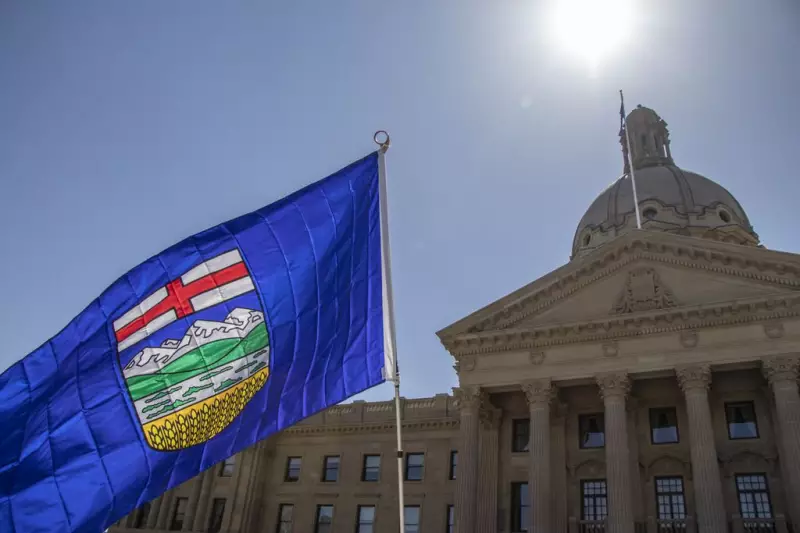
Three more Members of the Legislative Assembly (MLAs) in Alberta, including a New Democratic Party representative from the Edmonton area, are now facing official recall campaigns. This development significantly increases the number of sitting legislators under threat of being removed from office by their constituents.
Quarter of the Assembly Now Under Recall Threat
On Tuesday, Elections Alberta approved three new recall petitions, adding to the growing list of politicians targeted by the province's recall legislation. The latest approvals mean that a total of 26 out of the 87 MLAs in the legislative assembly are now subject to recall efforts. This represents over a quarter of all elected members in the province.
The newly approved petitions target MLAs from both major parties, highlighting widespread constituent discontent across political lines. The applicants behind each petition must now embark on a signature-gathering campaign within a strict legal framework.

Edmonton NDP MLA Faces Recall Over Education Stance
Among the latest to face a recall challenge is Peggy Wright, the Alberta NDP MLA for Edmonton-Beverly-Clareview. She becomes the second member of her party to be targeted through this process. The applicant leading the petition against Wright issued a statement accusing her of failing to adequately represent the riding.
The core allegation centers on Wright's position regarding sexually explicit materials in schools. The applicant claims Wright "misrepresented" directives on the issue and publicly supported allowing minors to access such materials. "In the applicant’s opinion, any lawmaker who distorts such matters or facilitates the exposure of children to sexualized material is unfit for public office and subject to immediate recall," the statement declared.
In her response, MLA Peggy Wright defended her record and accessibility. "I have made myself available through various avenues and will continue to represent the needs of my constituents," she stated. Drawing on her professional background, she added, "As a former teacher, I understand what it takes to ensure parents and students get what they need from properly-funded public education."
UCP MLAs Also Targeted for Policy Positions
The recall mechanism is not exclusive to the opposition. Two United Conservative Party MLAs also had their petitions approved by Elections Alberta.
Justin Wright, the UCP MLA for Cypress-Medicine Hat, is facing a recall drive. His applicant cited multiple grievances, including his perceived silence on the contentious eastern slopes coal mining debate, his support for the use of the notwithstanding clause, and for sharing a story in the legislature that was later contradicted by the RCMP.
In his defence, Justin Wright stated that his position on coal mining has evolved over time. Regarding the RCMP letter, he said it was referenced to "provide a factual basis" for his comments and to ensure an "accurate conveyance of constituent correspondence."
The third petition targets UCP MLA for Grande Prairie-Wapiti, Ron Wiebe. The applicant's primary complaint focuses on Wiebe's support for legislation that forced teachers back to work, a move they argue undermined public trust and stripped away individual rights. "He supported passing all three readings in one day, limiting debate and preventing meaningful consultation with constituents," the applicant's statement claimed.
Critical Signature Gathering Window Opens
The success of these petitions now hinges on a demanding grassroots effort. Applicants have a 90-day window, from December 24 to March 23, 2026, to collect signatures. The threshold for triggering a recall vote is exceptionally high: petitioners must gather signatures from at least 60 per cent of the number of voters who cast a ballot in that electoral division during the last provincial election.

This high bar, combined with the short timeframe, makes the recall process a significant challenge for organizers. However, the sheer number of MLAs now facing petitions—26—signals a sustained and organized application of this relatively new tool in Alberta's democratic toolkit. The coming months will test both the resolve of the petitioners and the connection between these MLAs and the communities they represent.





