Conservative Leader Poilievre Secures Overwhelming Convention Support Despite Polling Gap
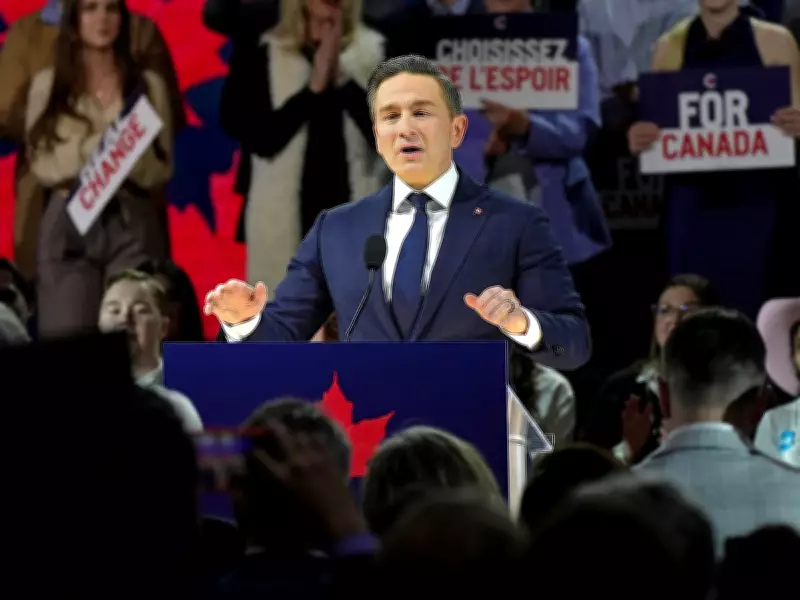
In a remarkable display of party unity, Conservative Leader Pierre Poilievre received an extraordinary 87.4 percent support from delegates at the National Conservative Convention in Calgary. This overwhelming endorsement comes despite recent polling showing Poilievre's personal popularity significantly trailing behind the Conservative Party's overall standing among Canadian voters.
The convention results present a political paradox that defies conventional wisdom. Typically, political leaders who register lower approval ratings than their own parties find themselves on precarious ground, often facing internal challenges or leadership reviews. Yet Poilievre's commanding convention victory suggests a different dynamic at play within Conservative ranks.
A Transformed Political Persona Emerges in Calgary
Observers noted a distinct evolution in Poilievre's public demeanor during his keynote address at the BMO Centre. The Conservative leader displayed a more approachable, less confrontational style than his previous public appearances had suggested. While maintaining criticism of Liberal policies, Poilievre delivered his remarks without the characteristic intensity that had previously defined his political brand.

This stylistic shift represents a calculated recalibration following Poilievre's 2025 electoral defeat. The Conservative leader acknowledged past missteps, including his controversial support for the trucker occupation that contributed to his loss in his Ottawa riding. Poilievre's subsequent political resurrection through a by-election victory in Alberta demonstrated both resilience and strategic repositioning.
Internal Unity Contrasts With External Perceptions
The convention atmosphere revealed surprising internal cohesion within Conservative ranks. Former premier Jason Kenney noted minimal organized resistance among delegates, with only isolated complaints regarding nomination processes from the previous election cycle. Poilievre addressed these concerns directly, pledging procedural reforms to prevent similar issues in future campaigns.
This internal solidarity stands in stark contrast to broader Canadian sentiment. Recent surveys indicate approximately 58 percent of general voters maintain unfavorable views of Poilievre personally, even as Conservative voting intentions remain competitive with Liberal support levels. This disparity between internal party enthusiasm and external public perception creates a complex political landscape for the upcoming electoral period.
Strategic Implications for Federal Politics
Poilievre's strengthened position within his party carries significant implications for Canada's political timeline. With such solid internal backing, the Conservative leader appears securely positioned to lead his party into the next federal election. Some political analysts suggest this consolidation of support might even prompt earlier electoral considerations, as a unified opposition presents a more formidable challenge to the governing Liberals.
The convention performance revealed additional dimensions of Poilievre's political identity. His emotional moment discussing his autistic daughter's development demonstrated a personal vulnerability rarely associated with his public persona. While political opponents may question the authenticity of such displays, the convention audience responded with visible empathy and support.
Poilievre's stylistic adjustments extended to his rhetorical approach as well. The Conservative leader notably moderated his previously frequent use of the "Canada is broken" narrative, recognizing shifting geopolitical contexts with Donald Trump's return to the U.S. presidency. This recalibration suggests increased strategic awareness and adaptability in messaging.
Historical Context and Future Prospects
The 87.4 percent support level represents exceptional backing for any political leader, particularly one who has experienced significant electoral setbacks. Only Premier Danielle Smith's 91.5 percent approval at her 2024 post-election review exceeds Poilievre's convention result in recent Canadian political history.

This renewed Conservative unity presents both opportunity and challenge for the Liberal government. While Liberals may have previously viewed Poilievre as a preferred opponent given his polling vulnerabilities, the transformed leader emerging from the Calgary convention suggests a more complex political calculation. The Conservative Party's demonstrated capacity to rally behind their leader, combined with Poilievre's evident evolution as a political communicator, creates a potentially more formidable opposition than previously anticipated.
As Canada approaches another federal election cycle, the political landscape appears increasingly dynamic. Poilievre's convention triumph signals not just personal political resilience but potentially a reshaping of Conservative strategy and presentation. The coming months will reveal whether this convention momentum translates into broader electoral appeal beyond the party's dedicated base.